
Portugal
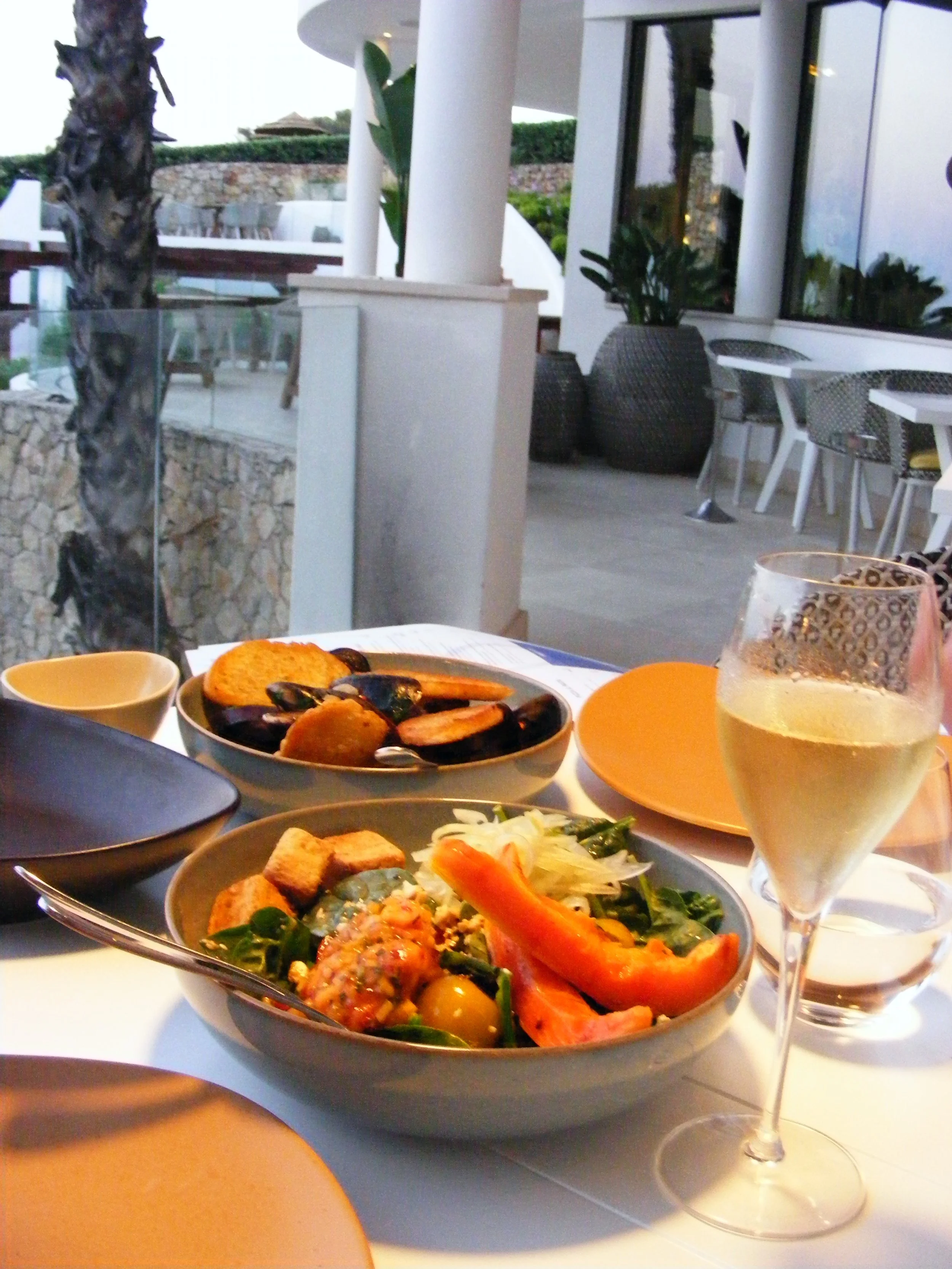
After landing in Lisbon, we picked up a rental and started heading south. It was July, the weather was perfect, barely a cloud in the sky and nothing but wide-open roads outside of Lisboa. First stop was Algarve, a beach side town at the southern coast of Portugal. If you didn’t already know by now, we hotel hop. The first two nights we stayed at Villa Vita Parc and the third night we stayed at Tivoli Cavoeiro. Both locations had their perks. The food was always fresh and eclectic. There were options suitable for all but the pickiest. It was rare to feel as if though you were compromising at either resort.
The city of Lisbon with red-tiled rooftops overlooking the estuary of the Tagus River ‘23
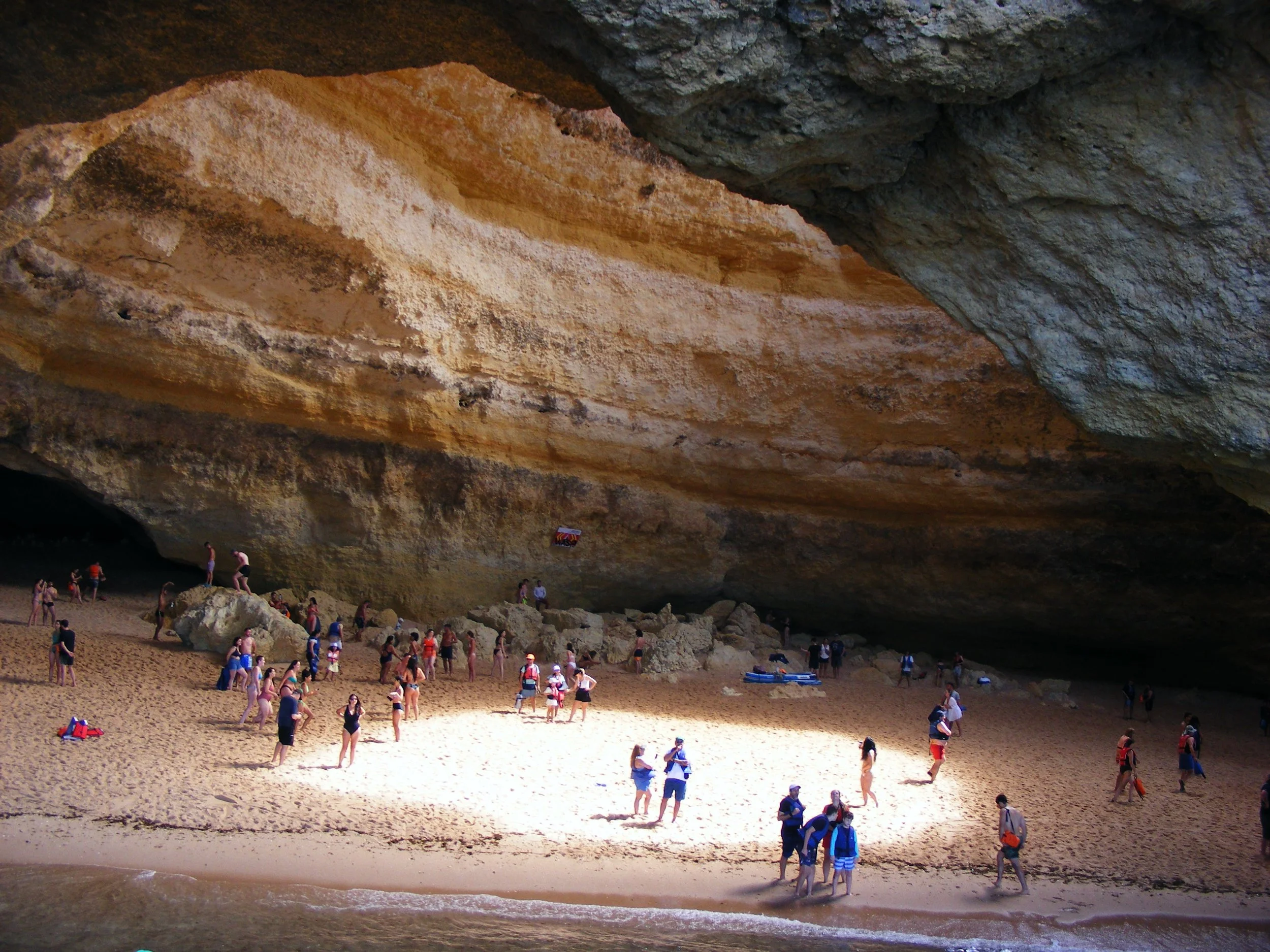
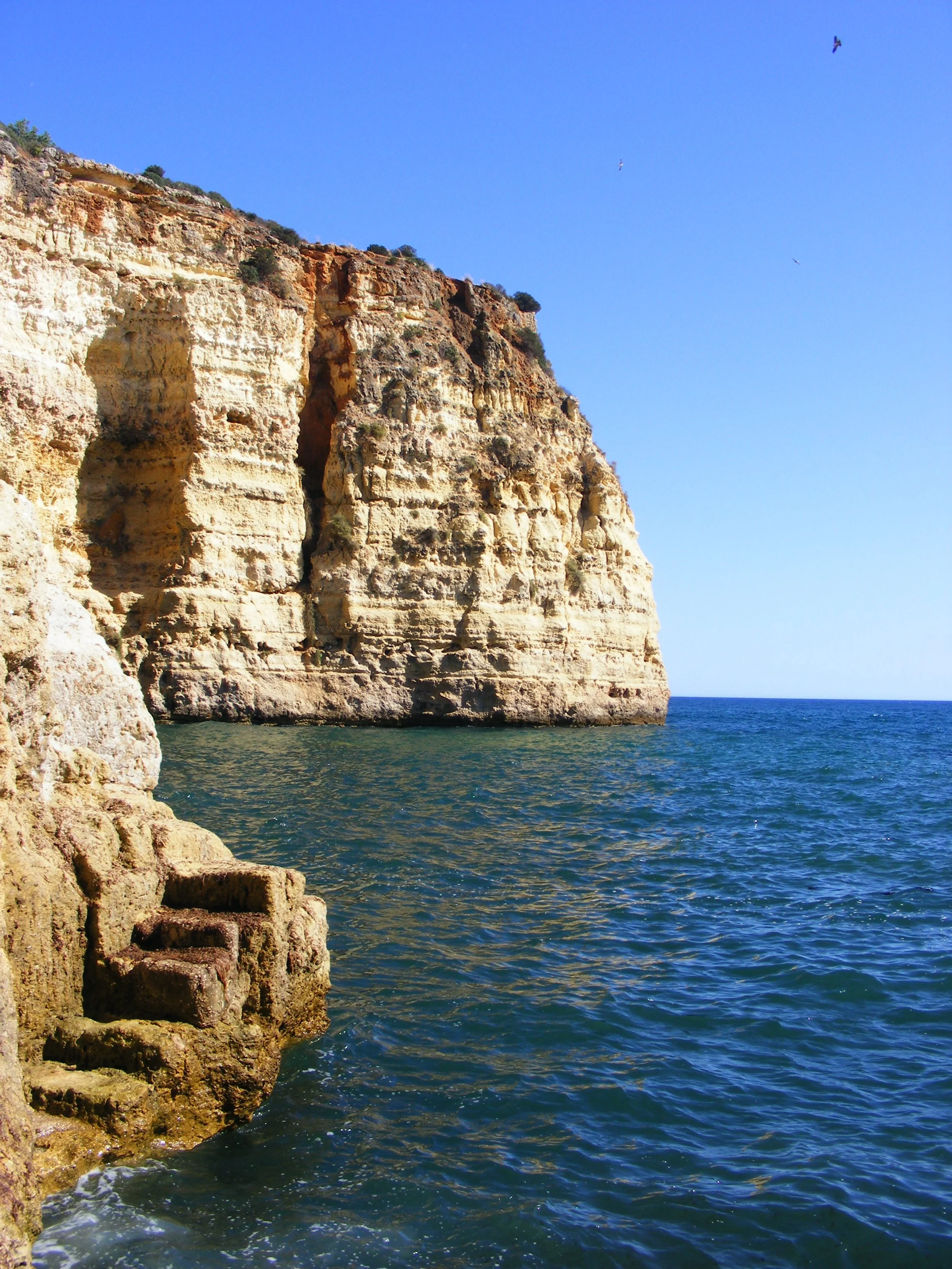
The scenery was breathtaking. I swear you could taste the salt from the ocean air. The topography was jagged and covered with a rusted light brown sand that would delicately shift with every step. You felt far away and at ease. The world could be falling apart around you, but the warmth of the sun would melt your worries directly into the sea.
There was enough to do in Algarve that it would be easy to make a whole trip out of this one region. Lazy days lounging by the beach were thoroughly enjoyed. Catamaran trips were booked, and diving into the Atlantic was a welcomed reprieve from the blistering heat of a Portuguese summer.
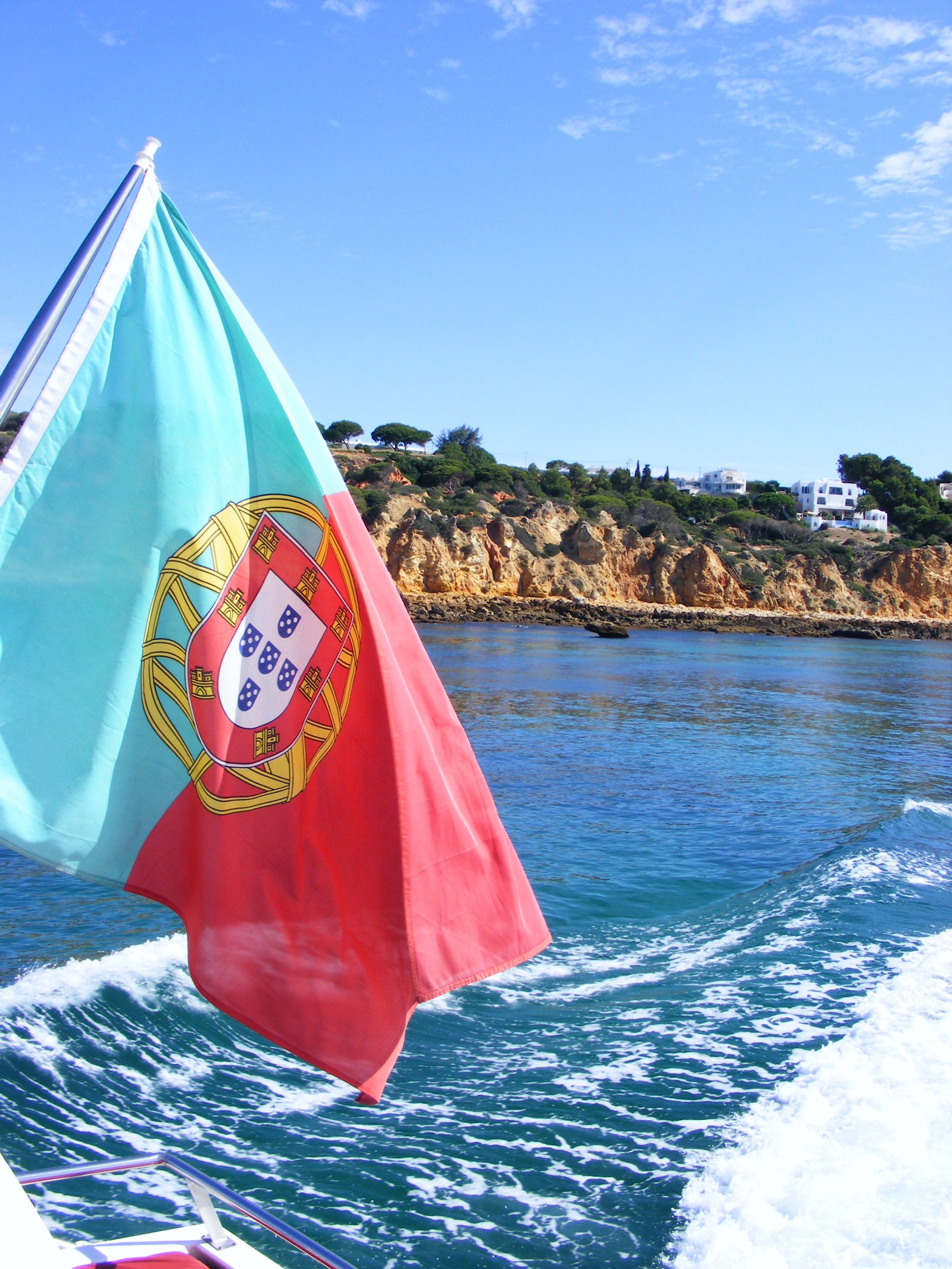
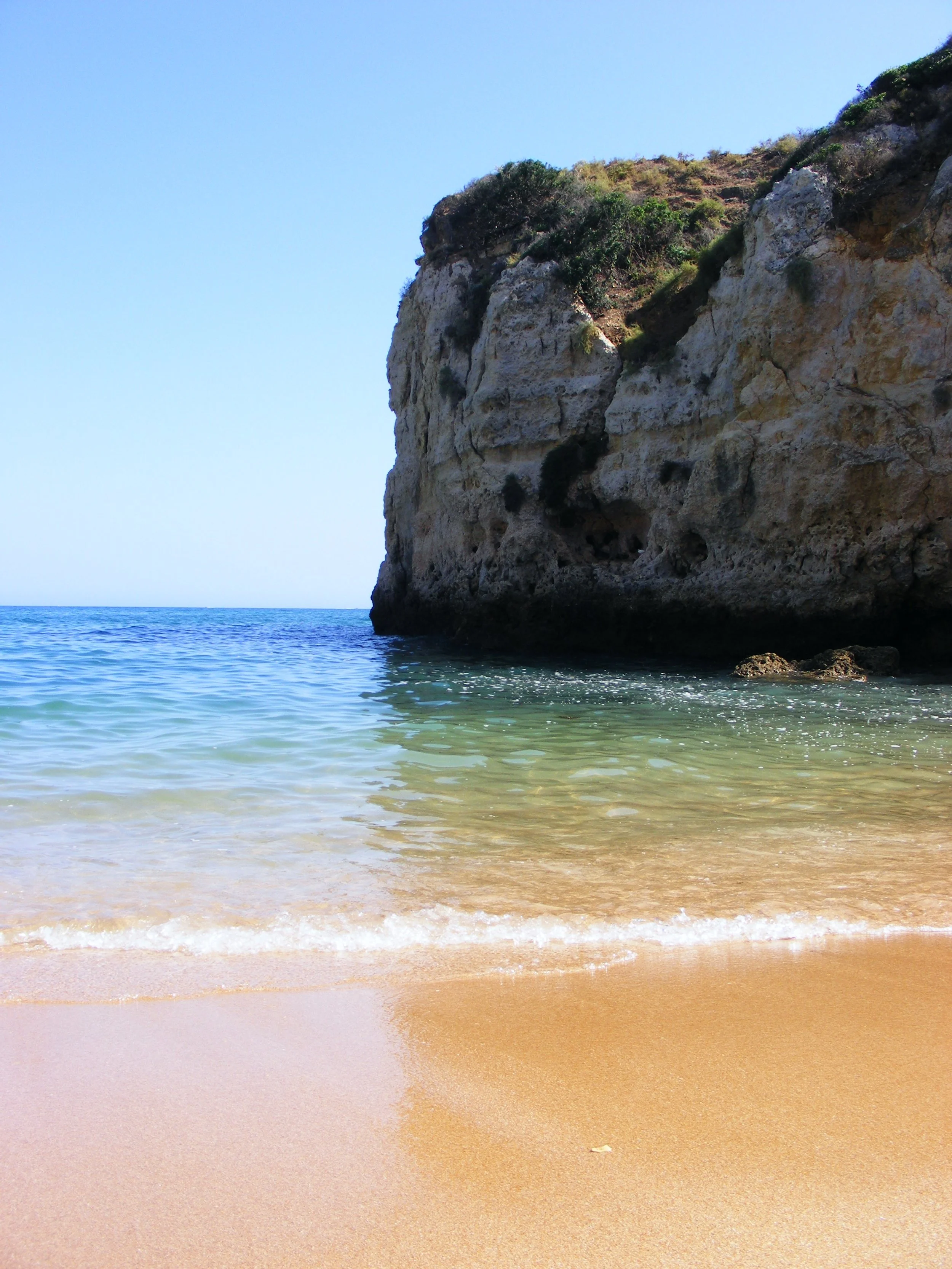
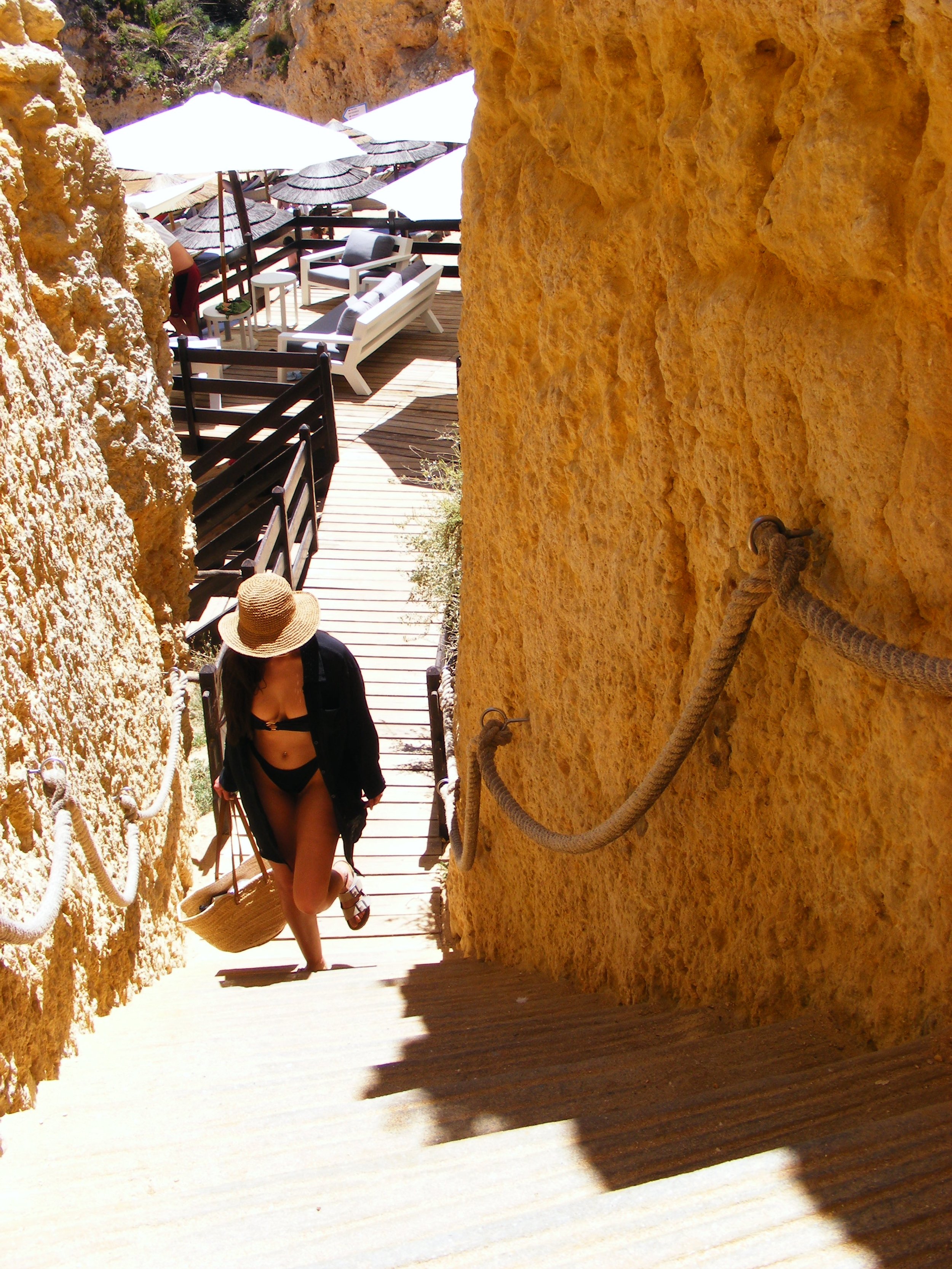
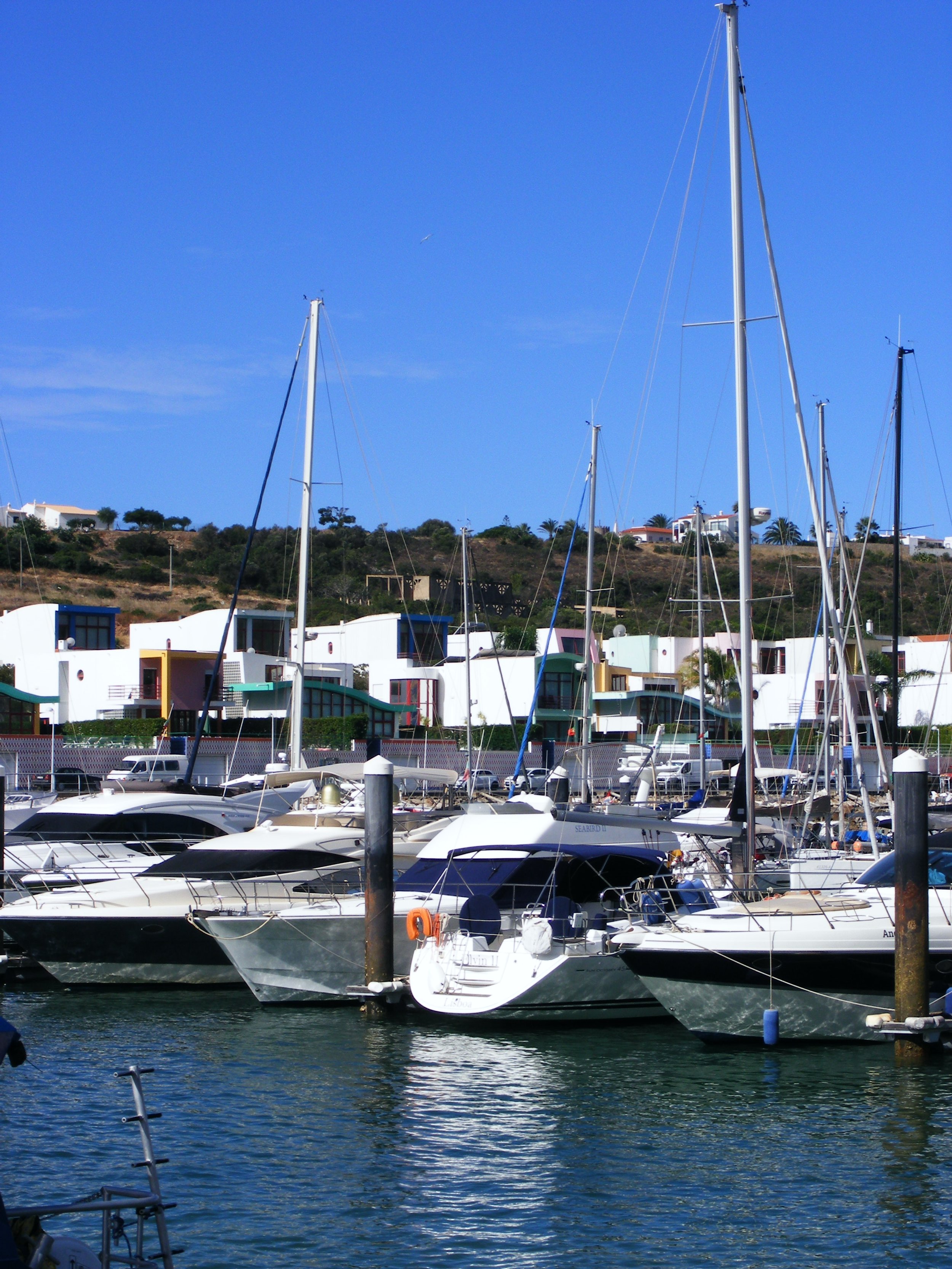
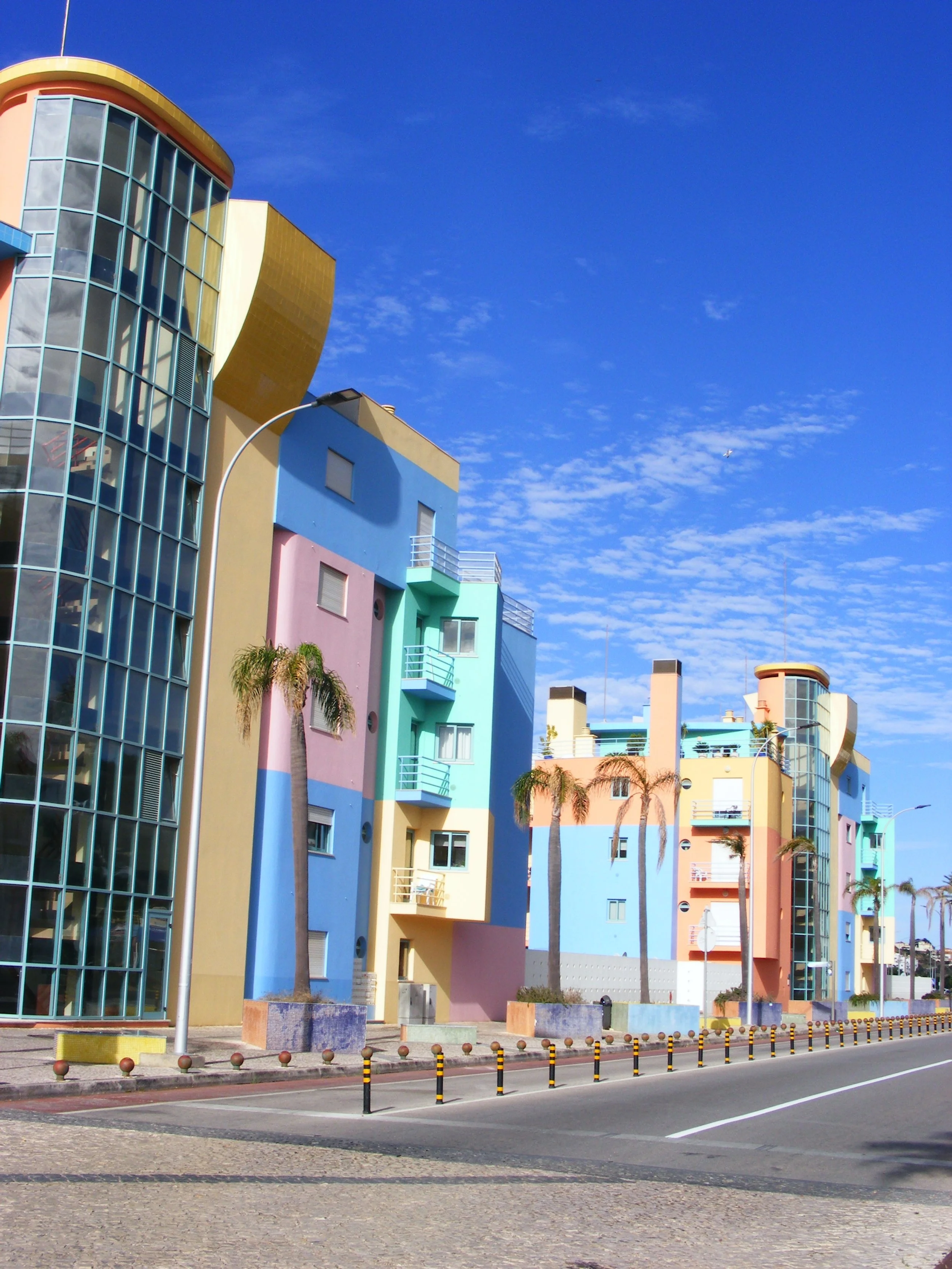
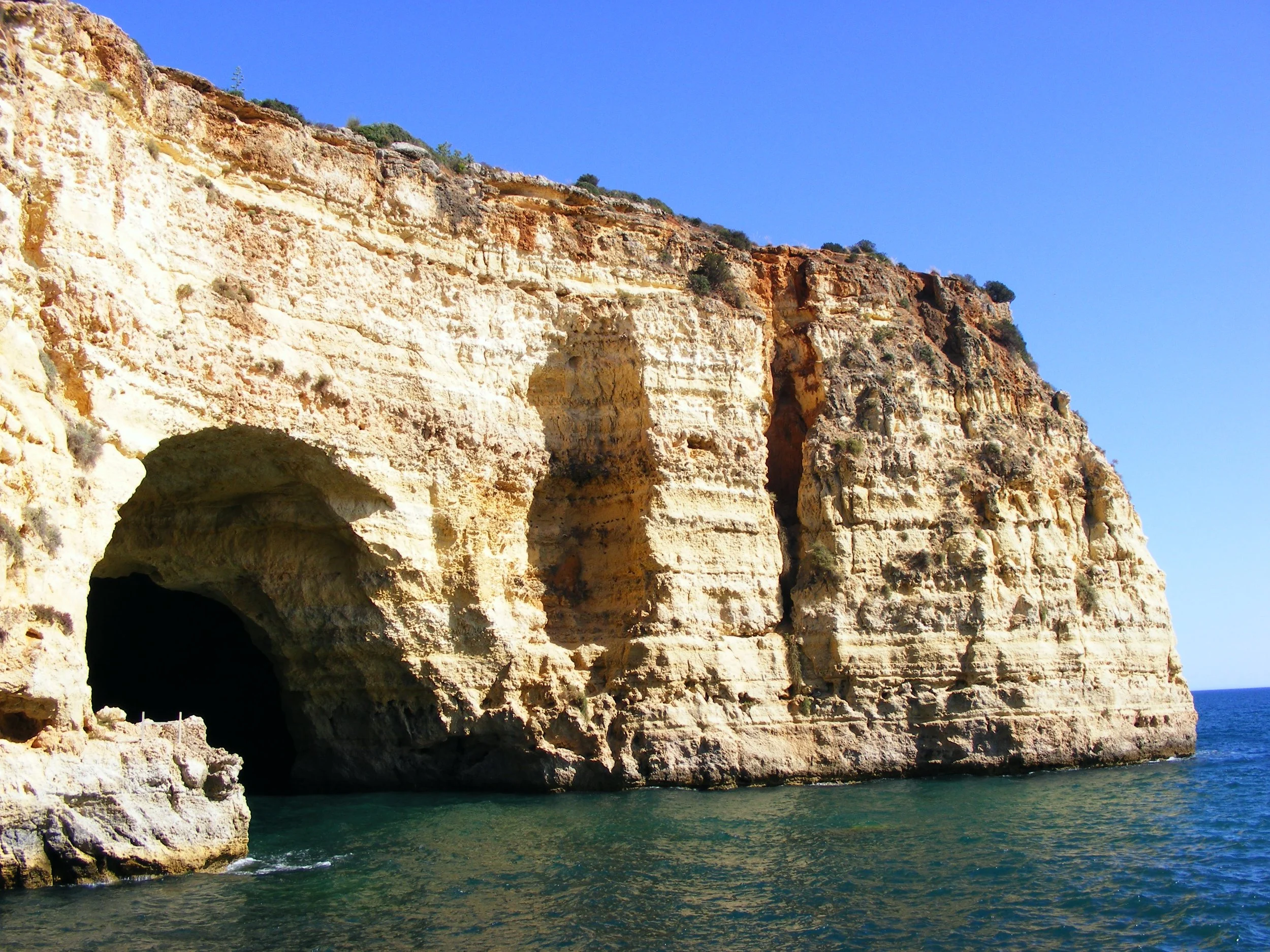
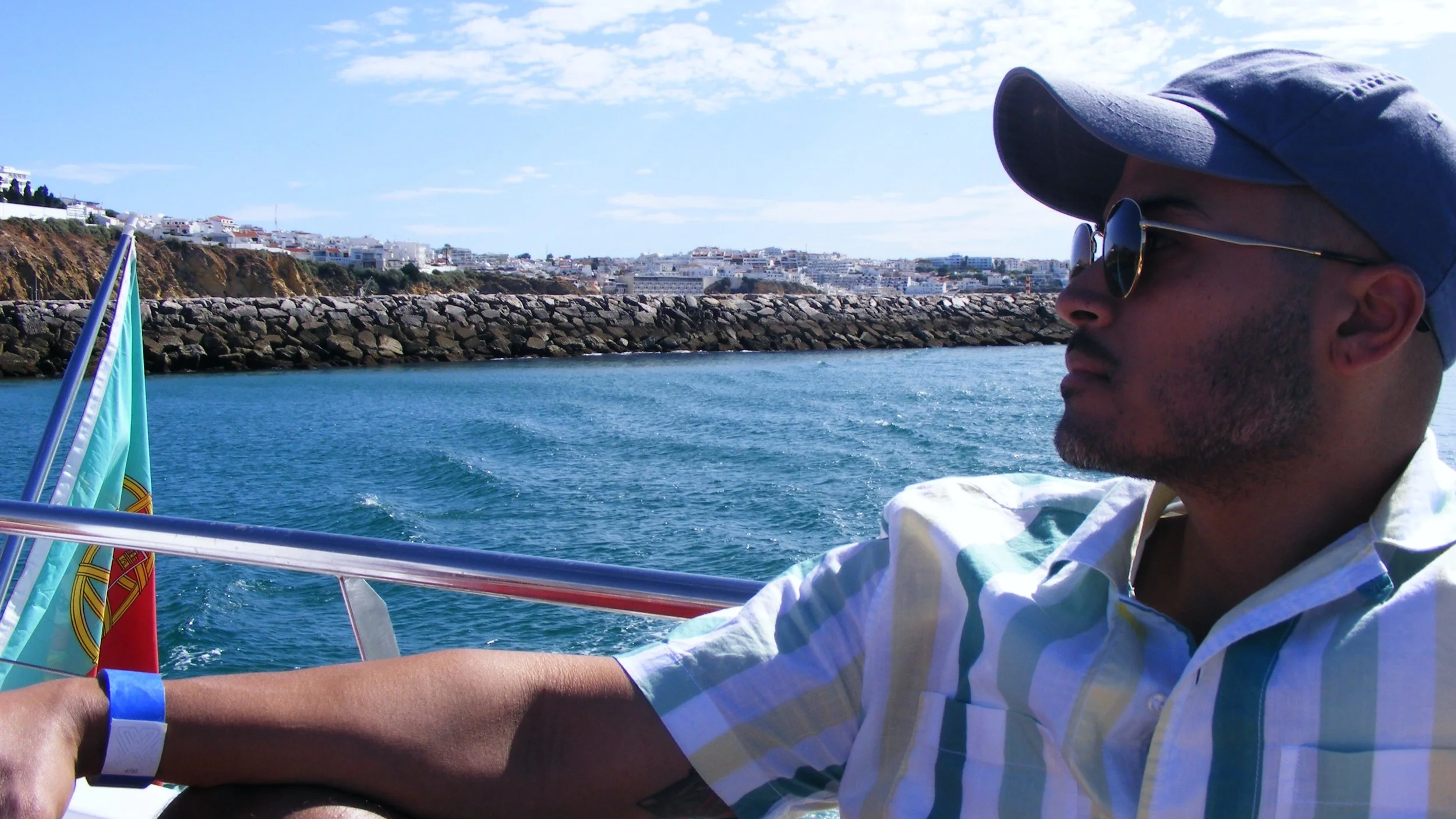
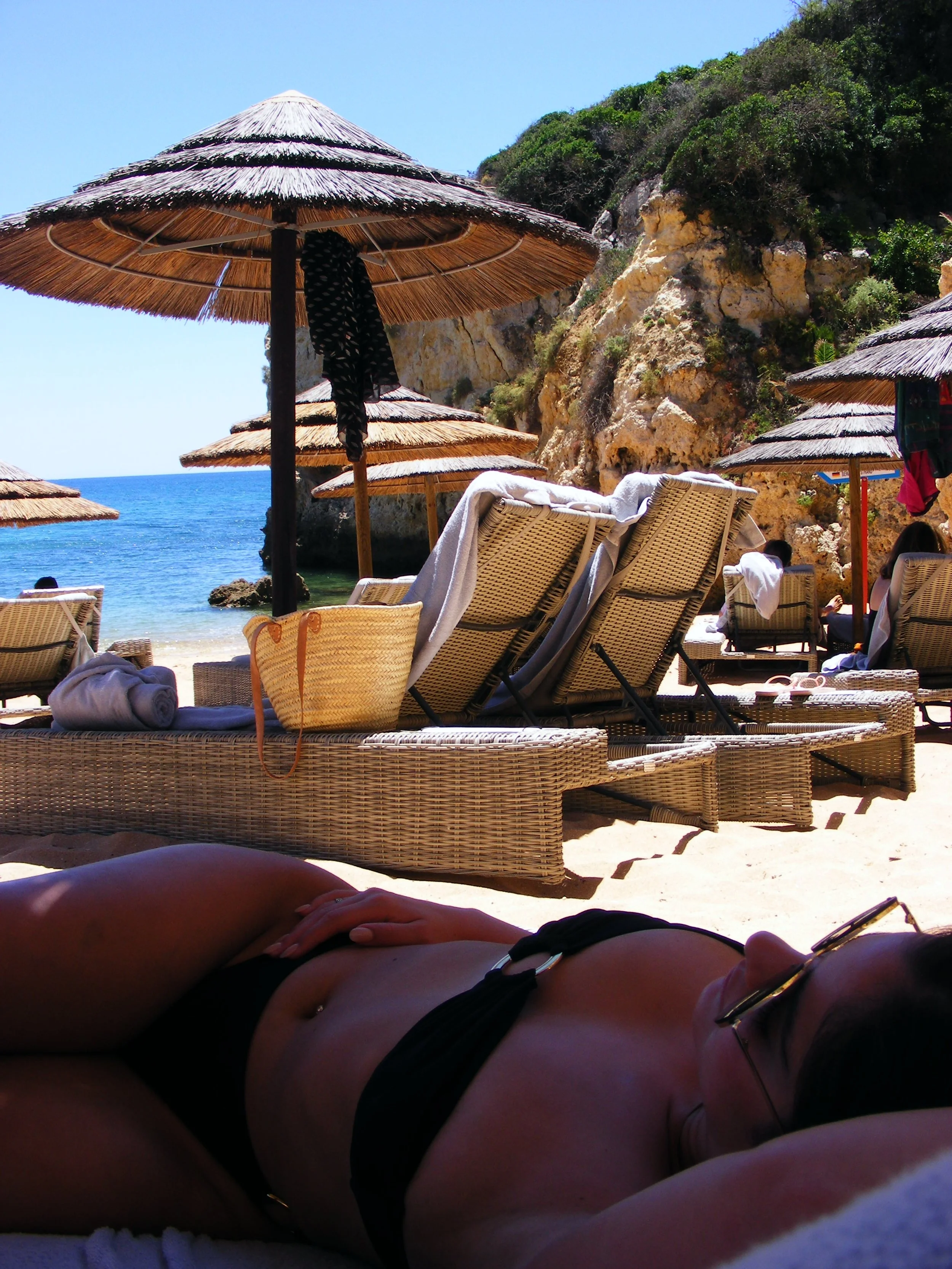
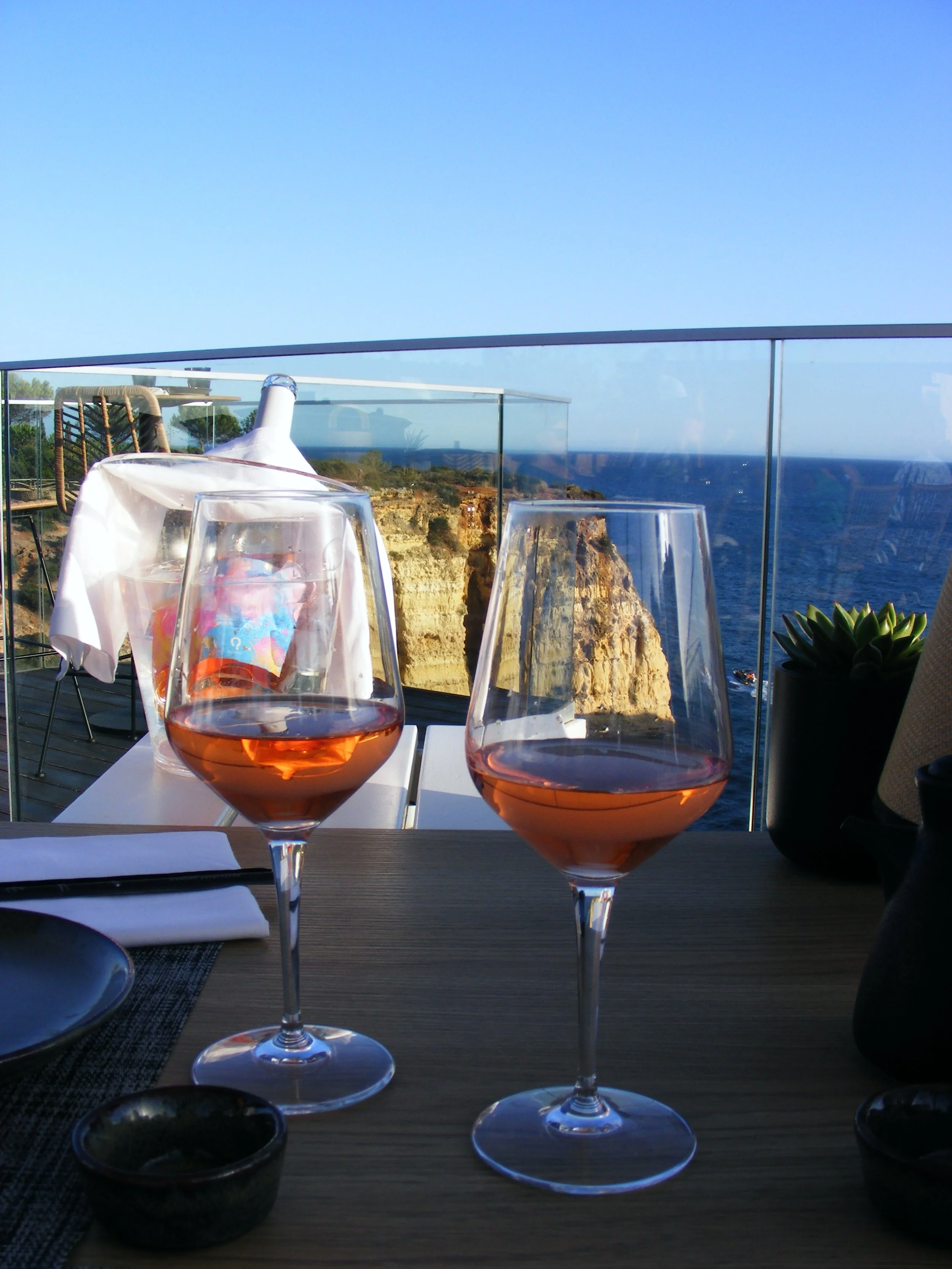
The drive north was as stunning as heading south. We traversed massive bridges that towered over valleys. The rules of the road are similar to the rest of the world: if you are driving slowly, move over and stay over. Driving was easy in Portugal, you drive on the right side of the road, and the cars are positioned with the driver on the left.
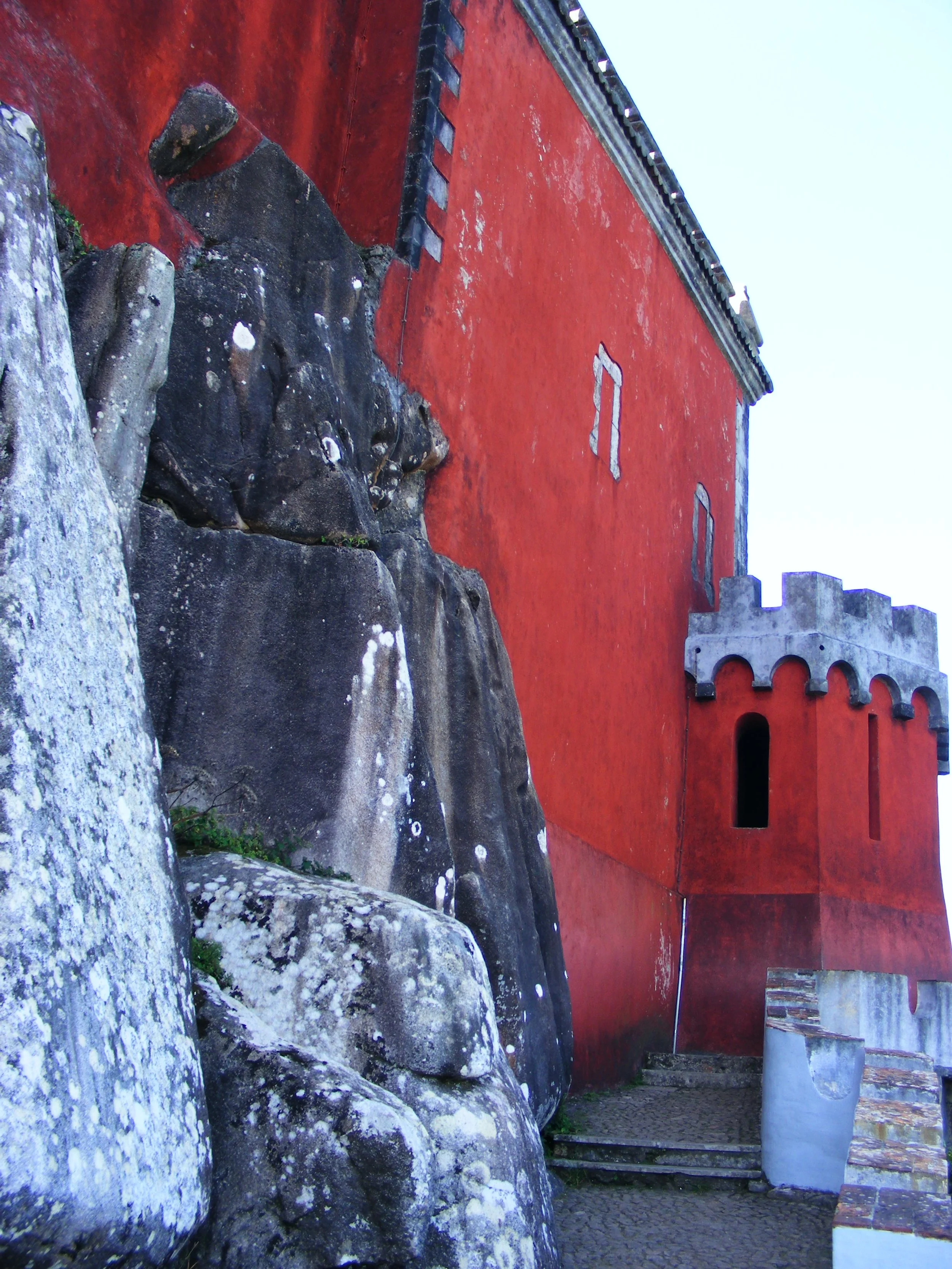
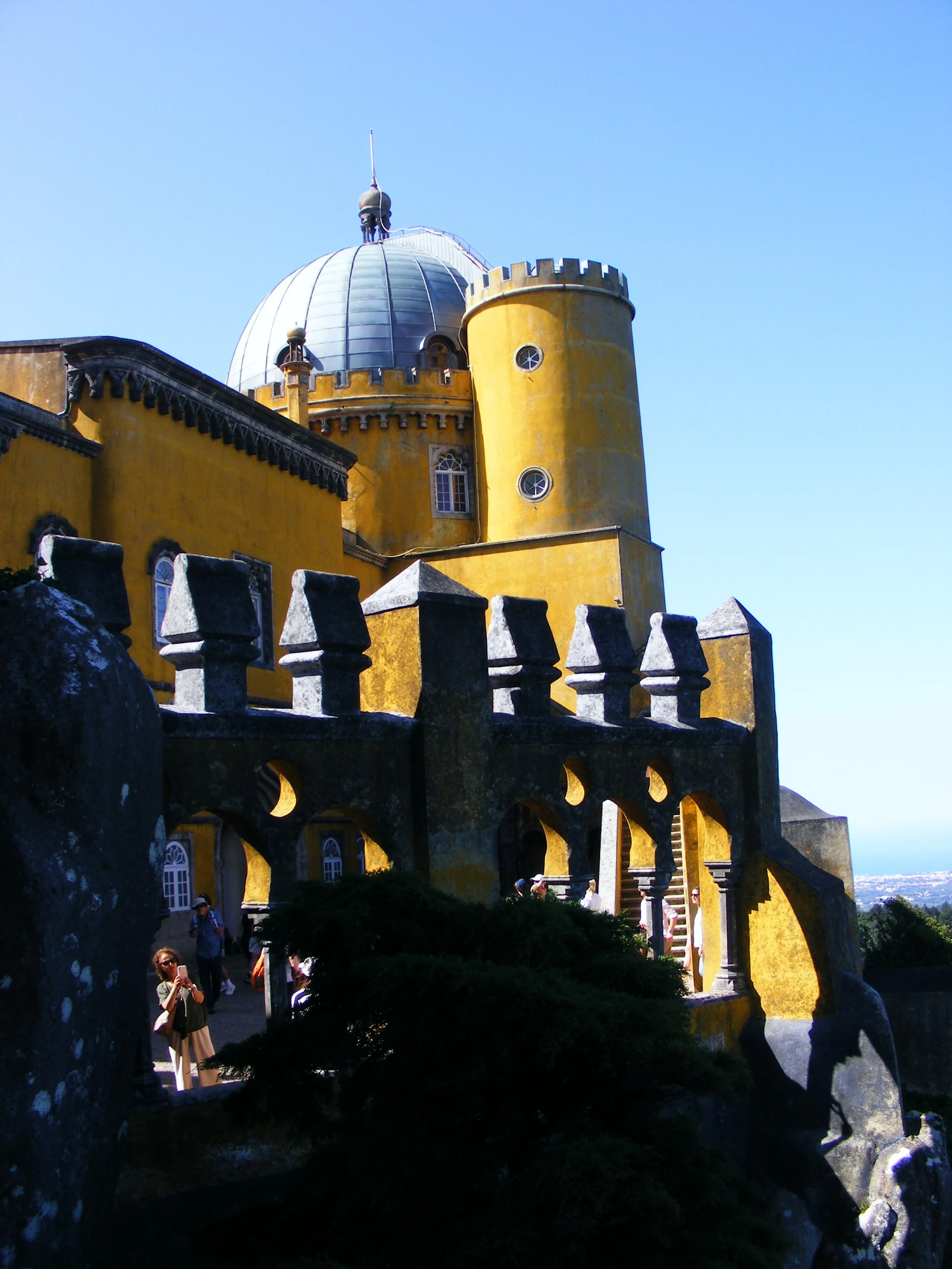
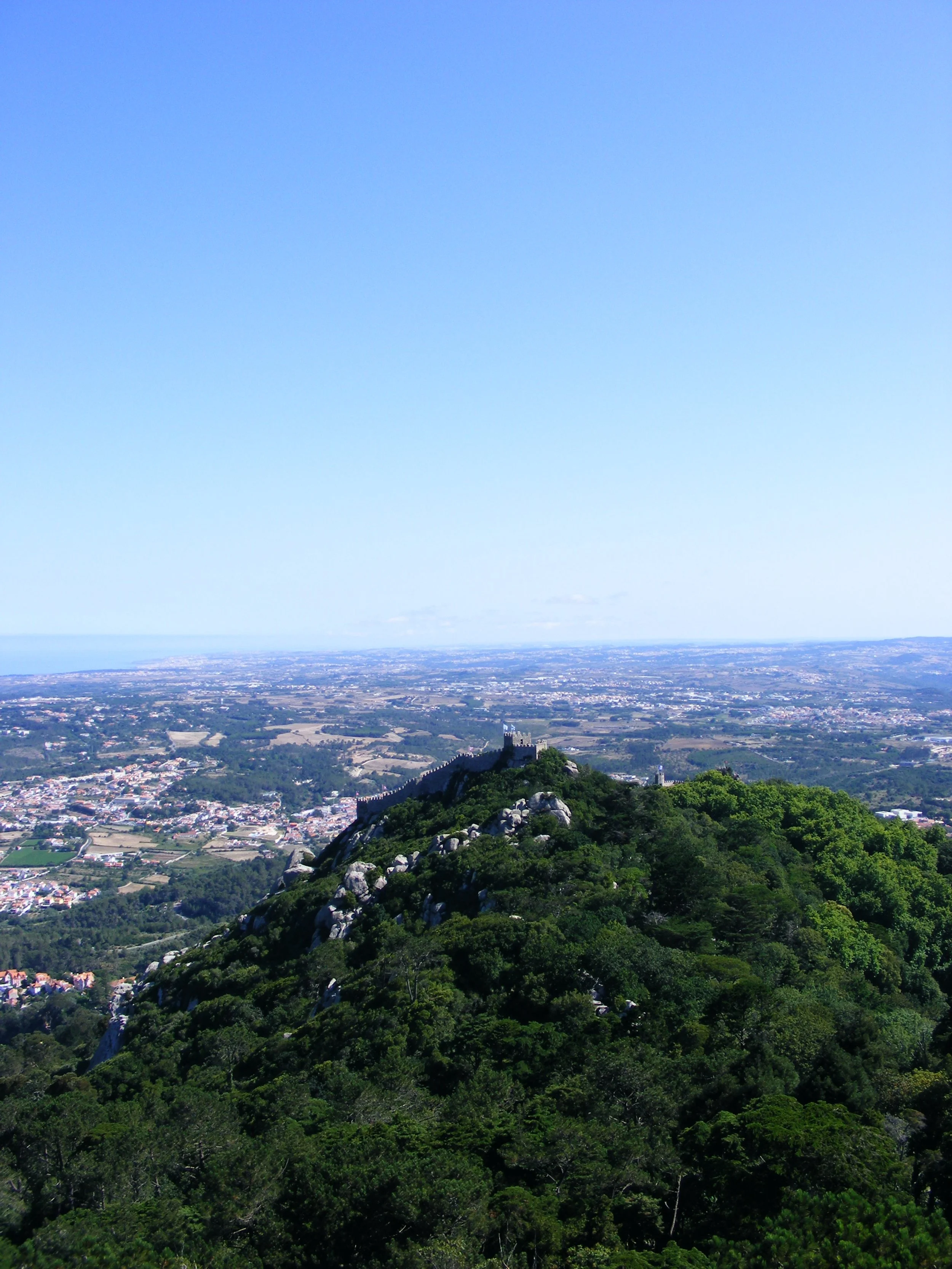
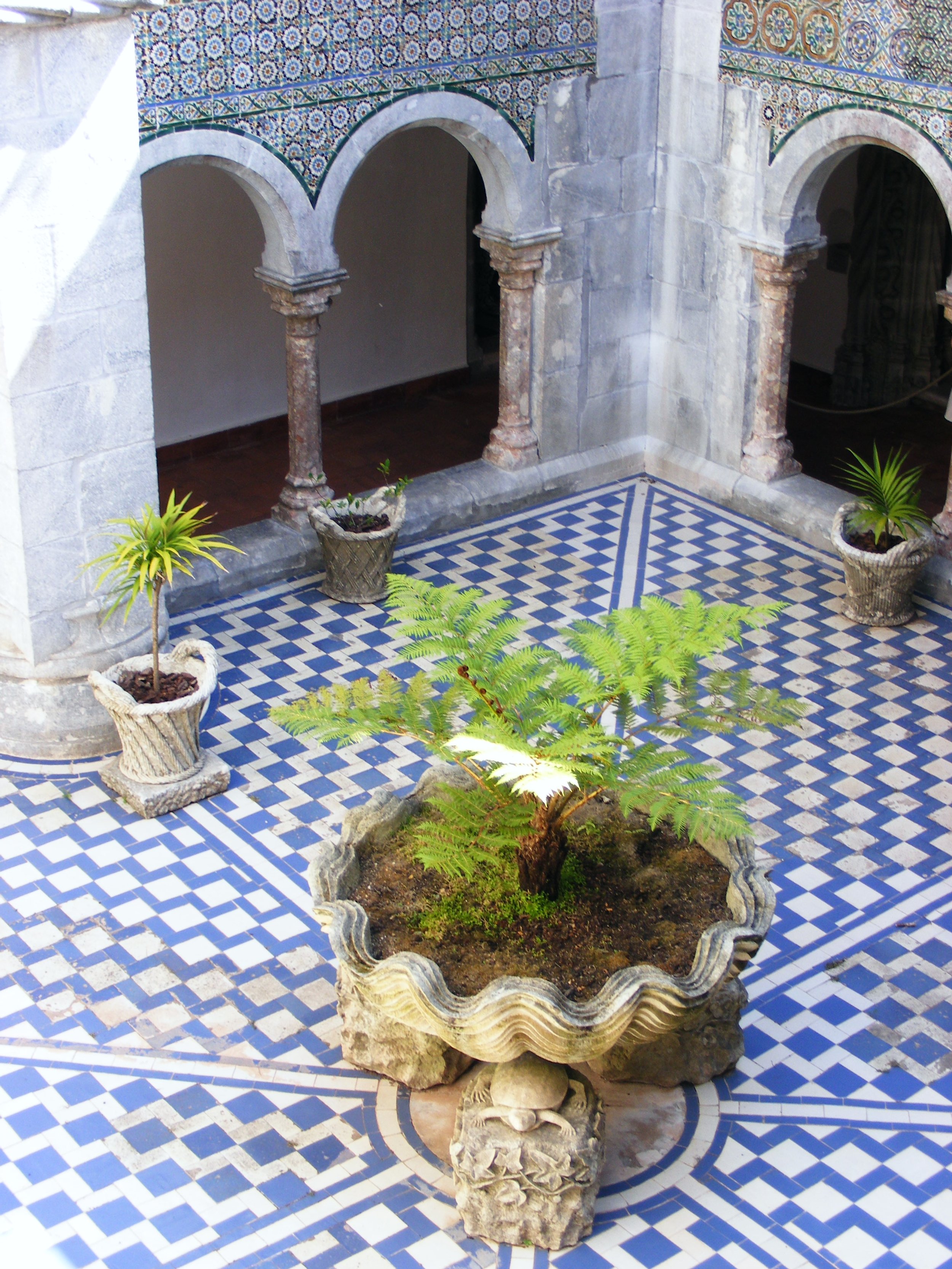
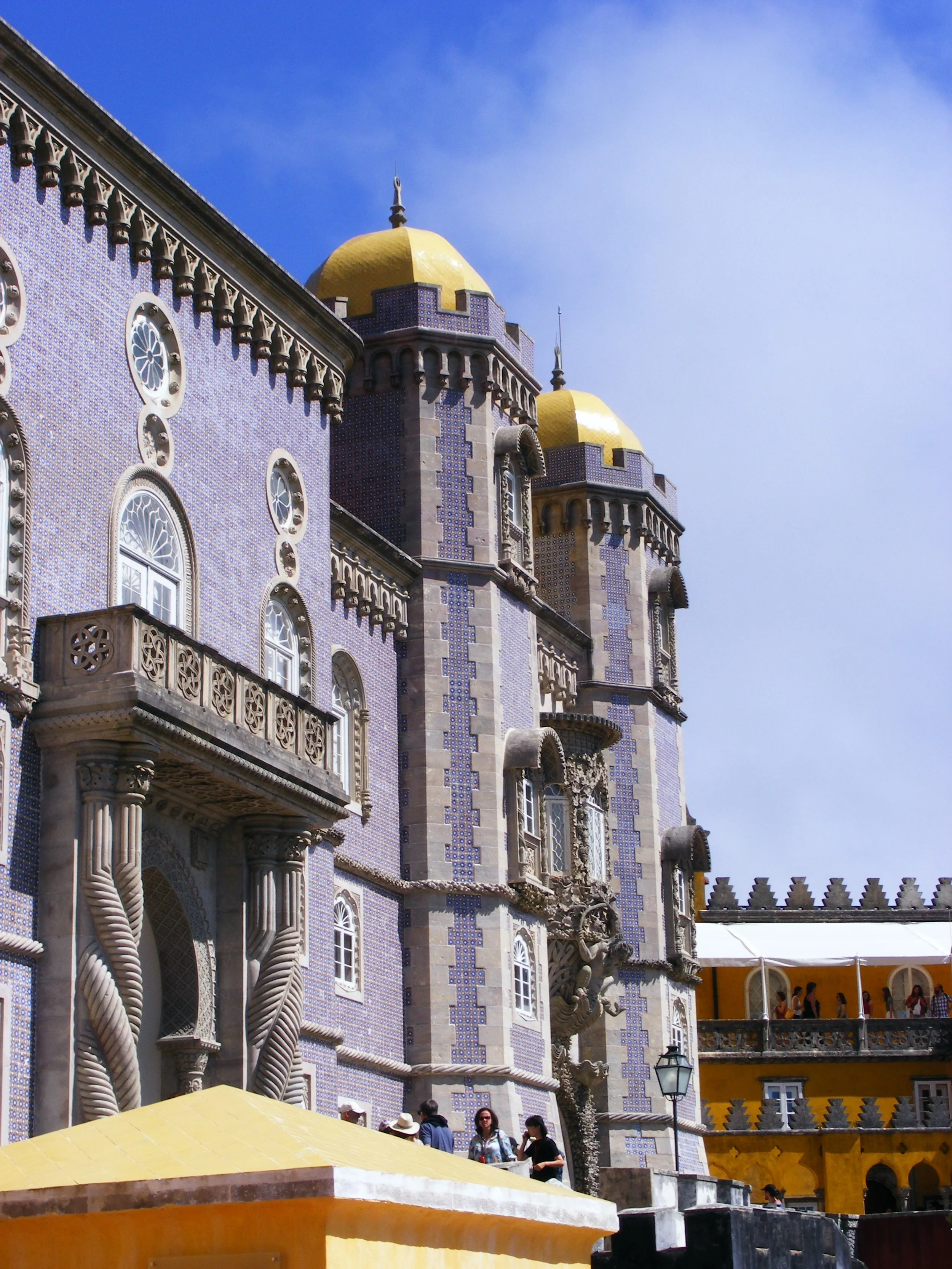
We drove past Lisbon and up into Vila de Sintra a town nestled in the northern slopes of the Sintra Mountains. This area has a microclimate of its own. While Algarve is hot coastal living in July, Sintra has foggy arboreal mornings with breezy evenings. Sintra is where the famous Pena Palace is found, the former summer vacation home for Portuguese royalty. It was purchased by King Ferdinand II in 1838 and was completed in 1854. Now a UNESCO world heritage site, you can and should visit this unique site. A coalescence of romanticism, neo-Islamic, and neo-gothic architecture somehow harmonize and make for an unforgettable visual spectacle.

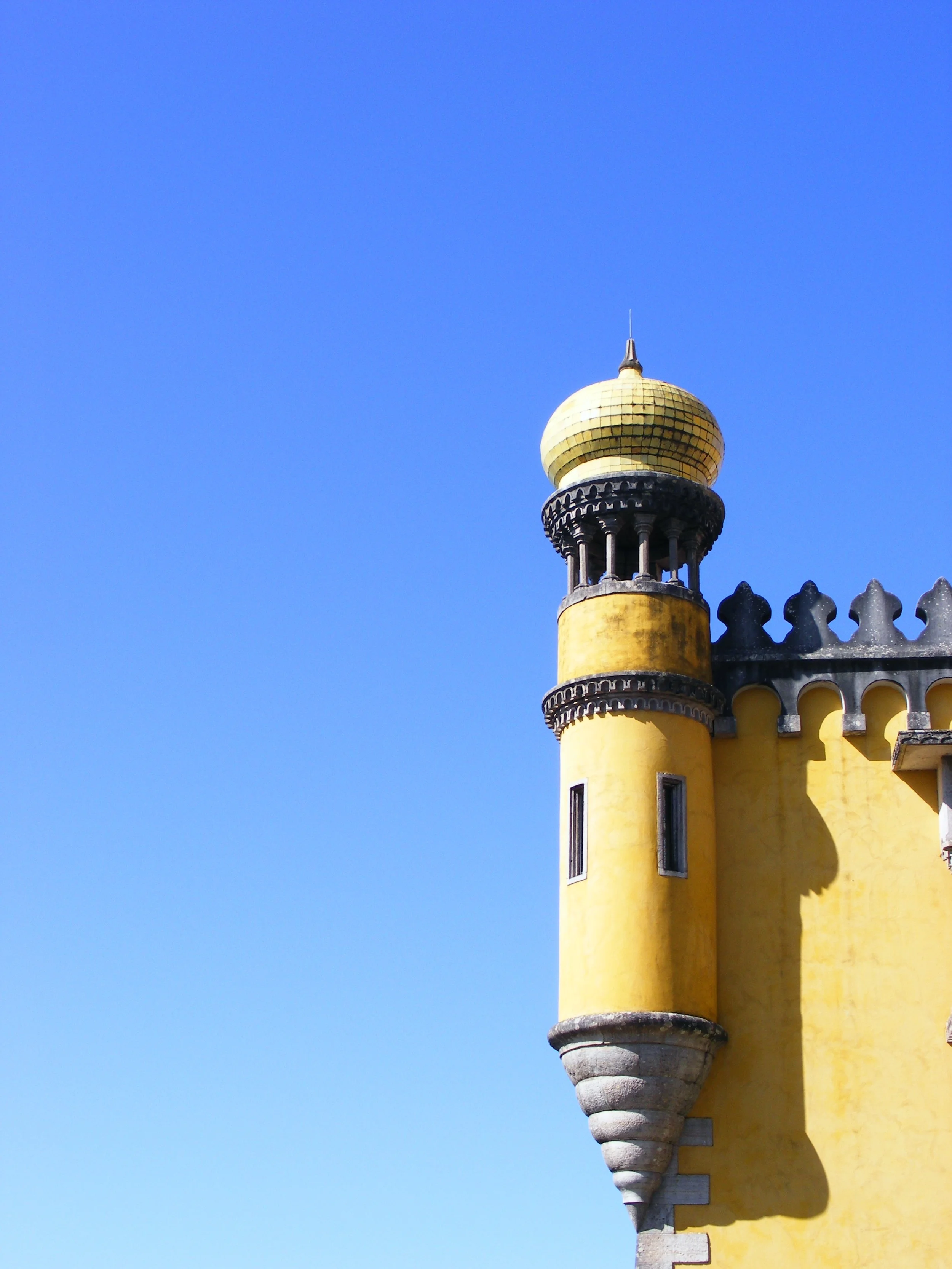
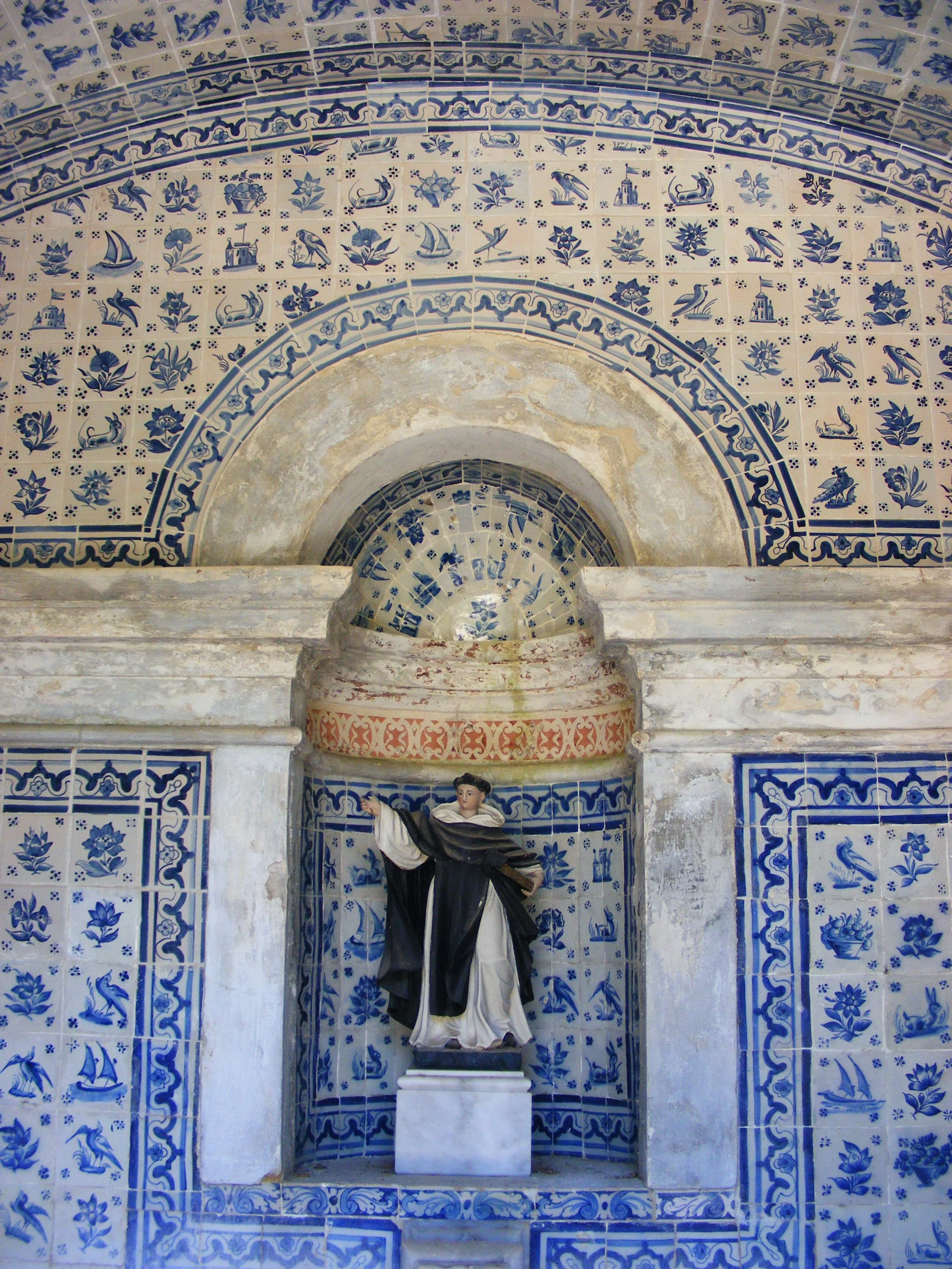
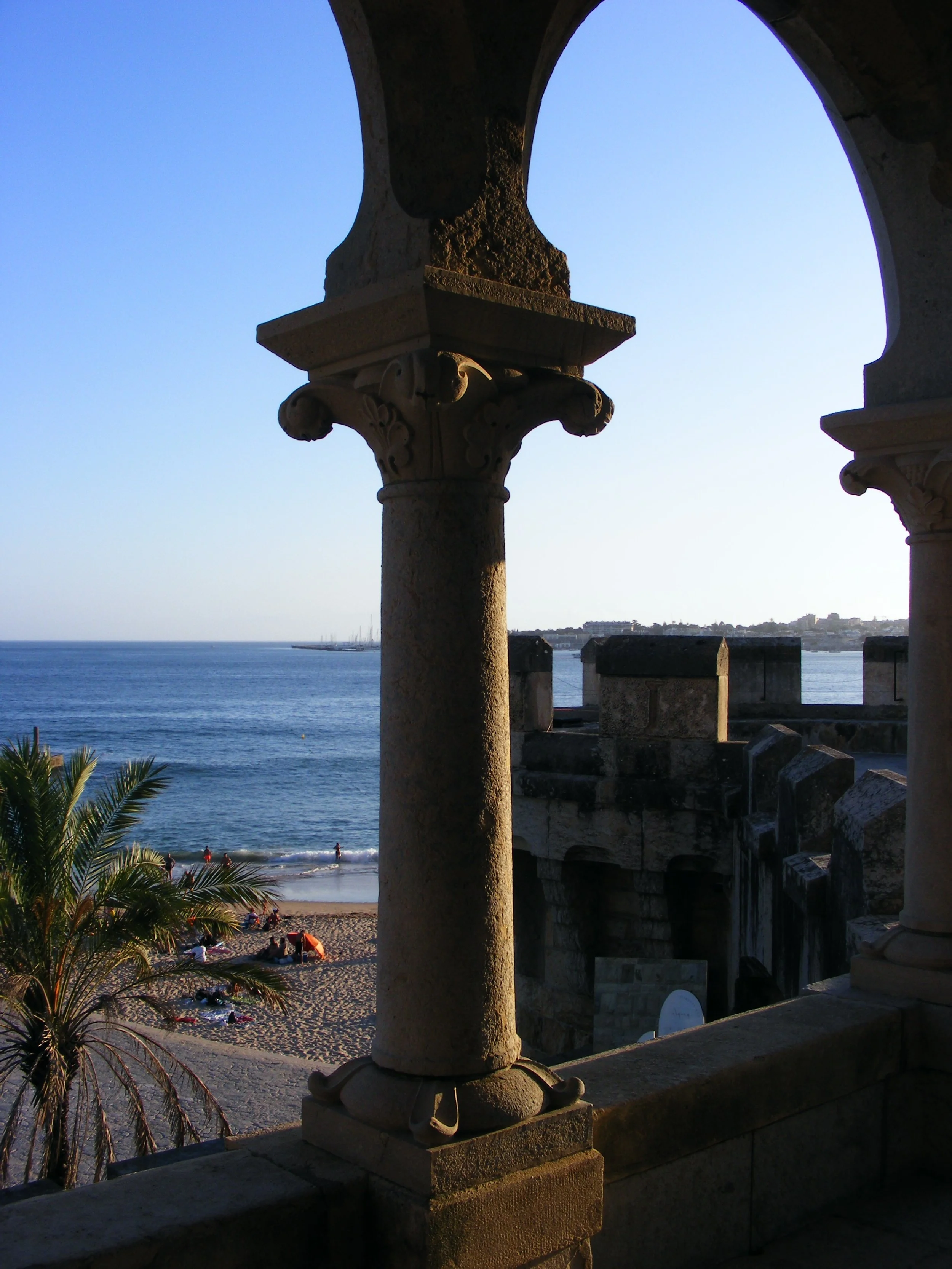
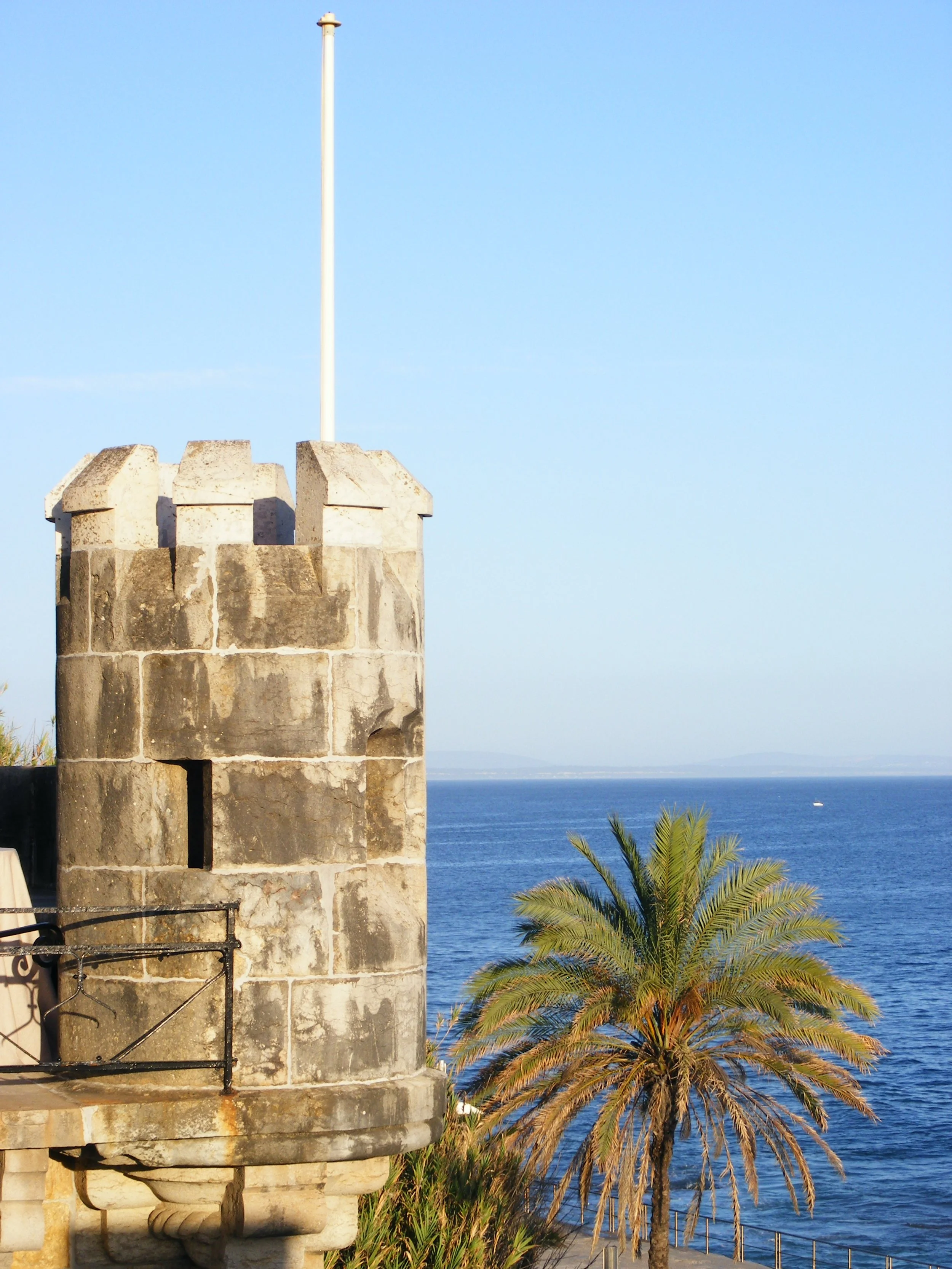
Near Sintra is Estoril, known for beachside forts and Circuito do Estoril a former F1 racetrack from '84 to '96 that continues to host Superbike World Challenge and Porsche GT3 Cup Challenge.
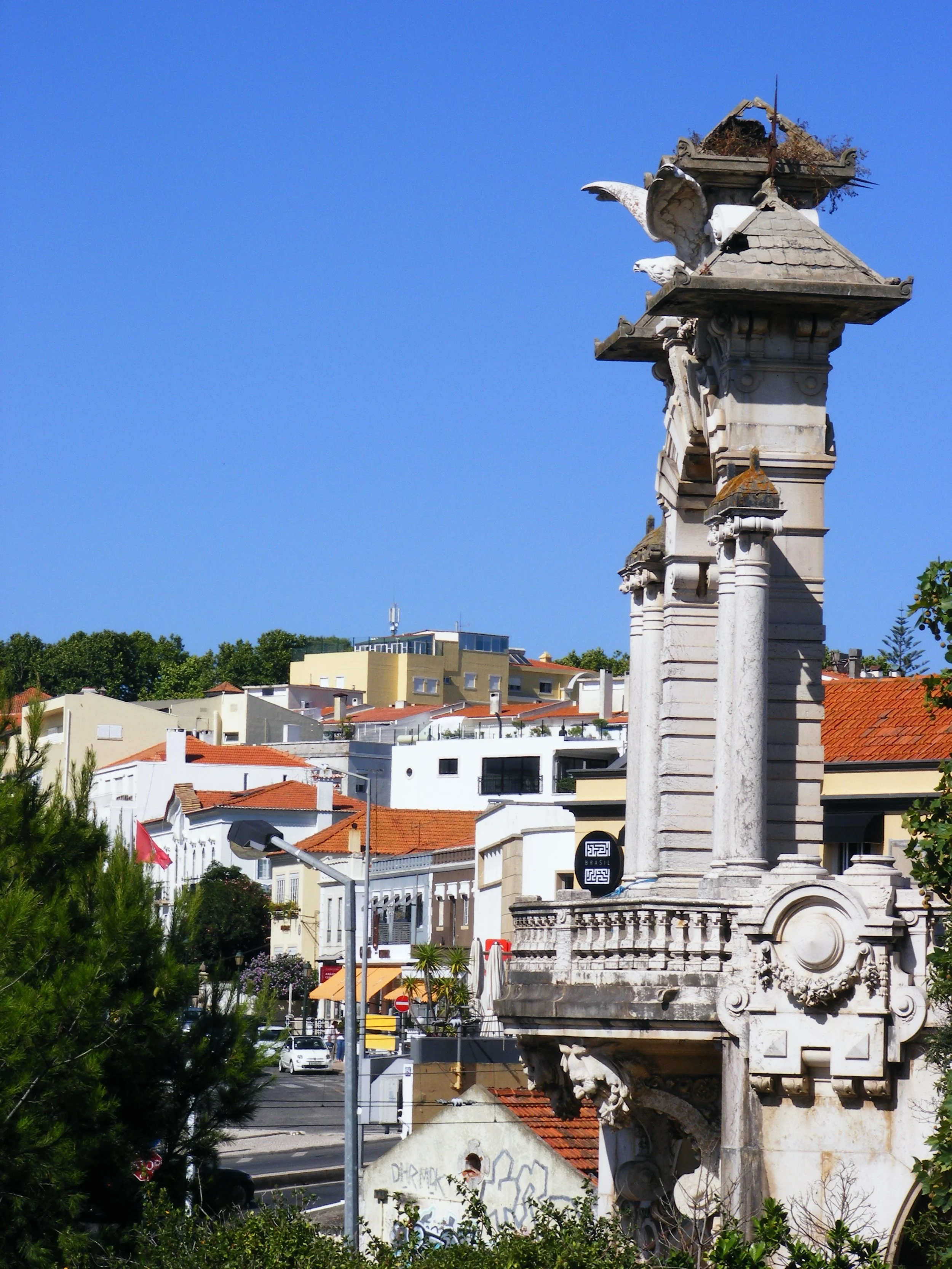
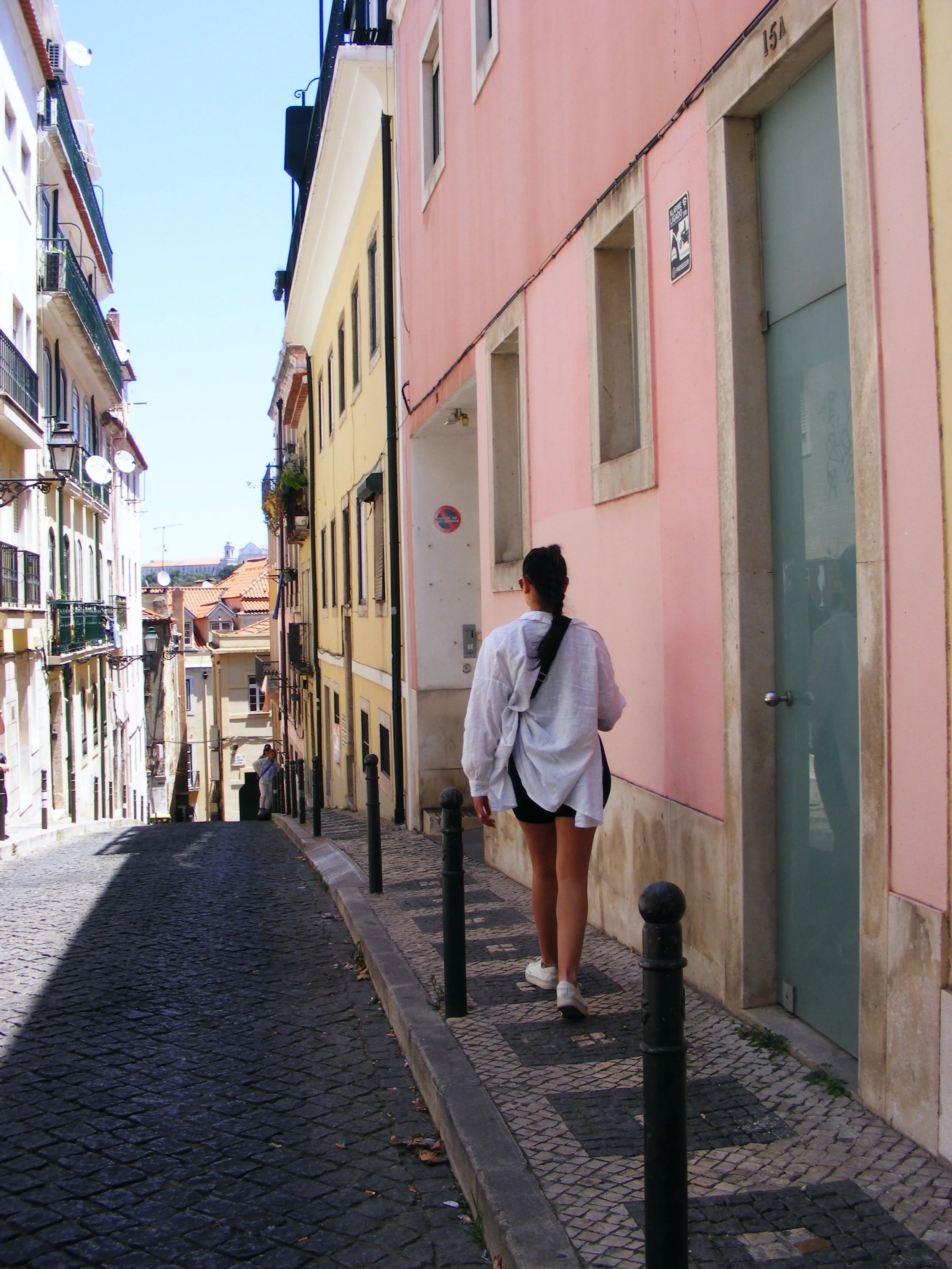
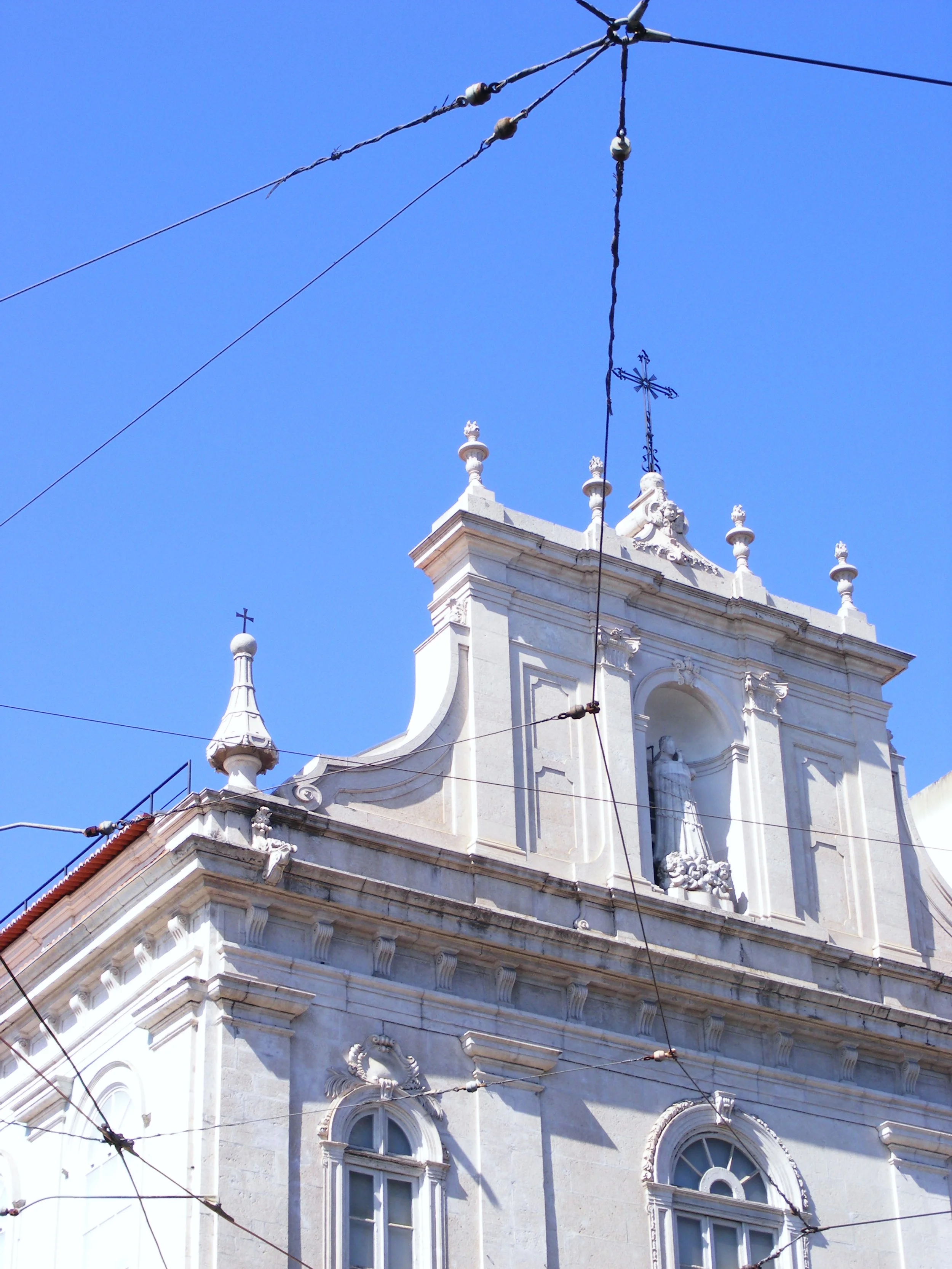
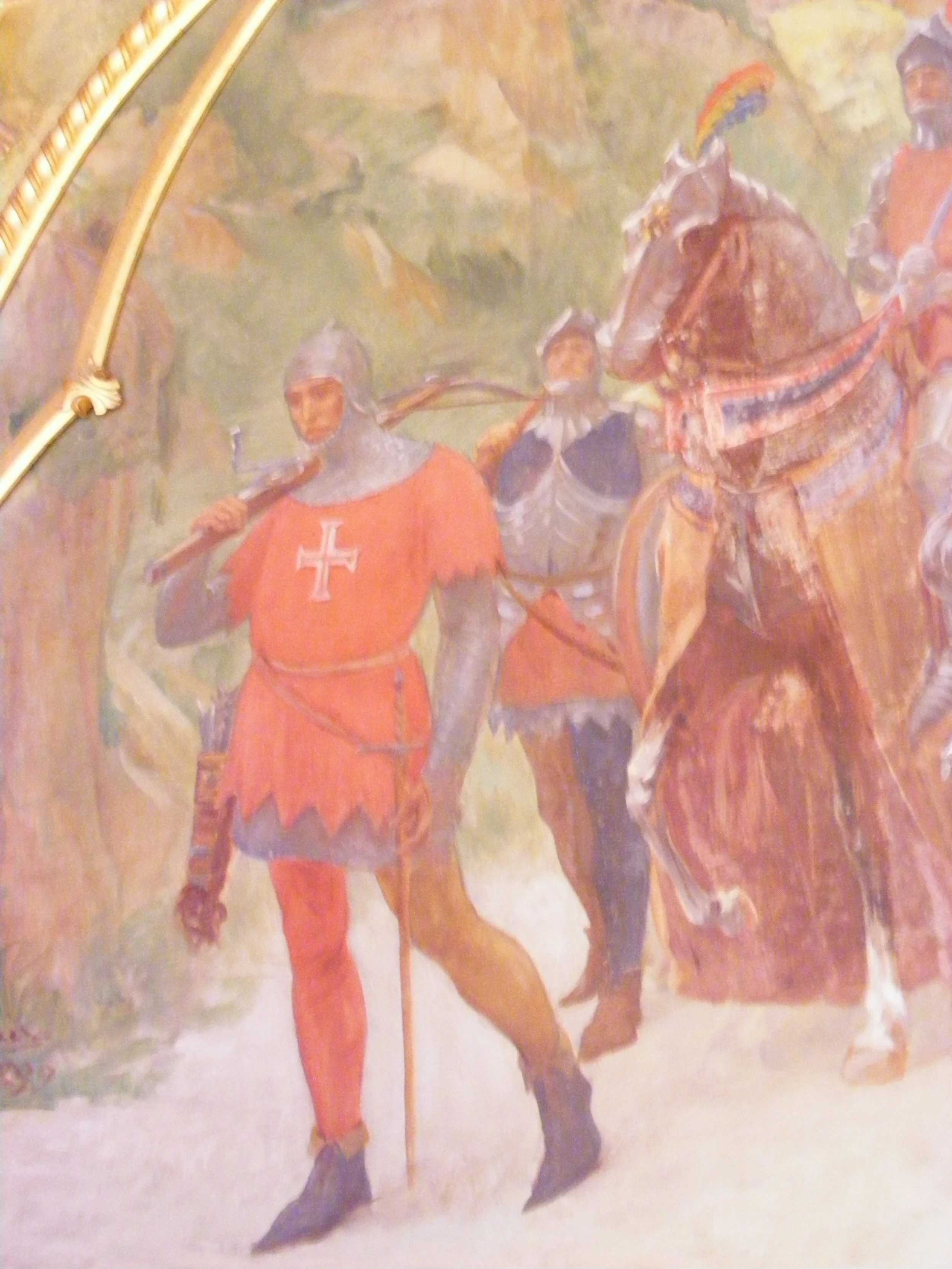
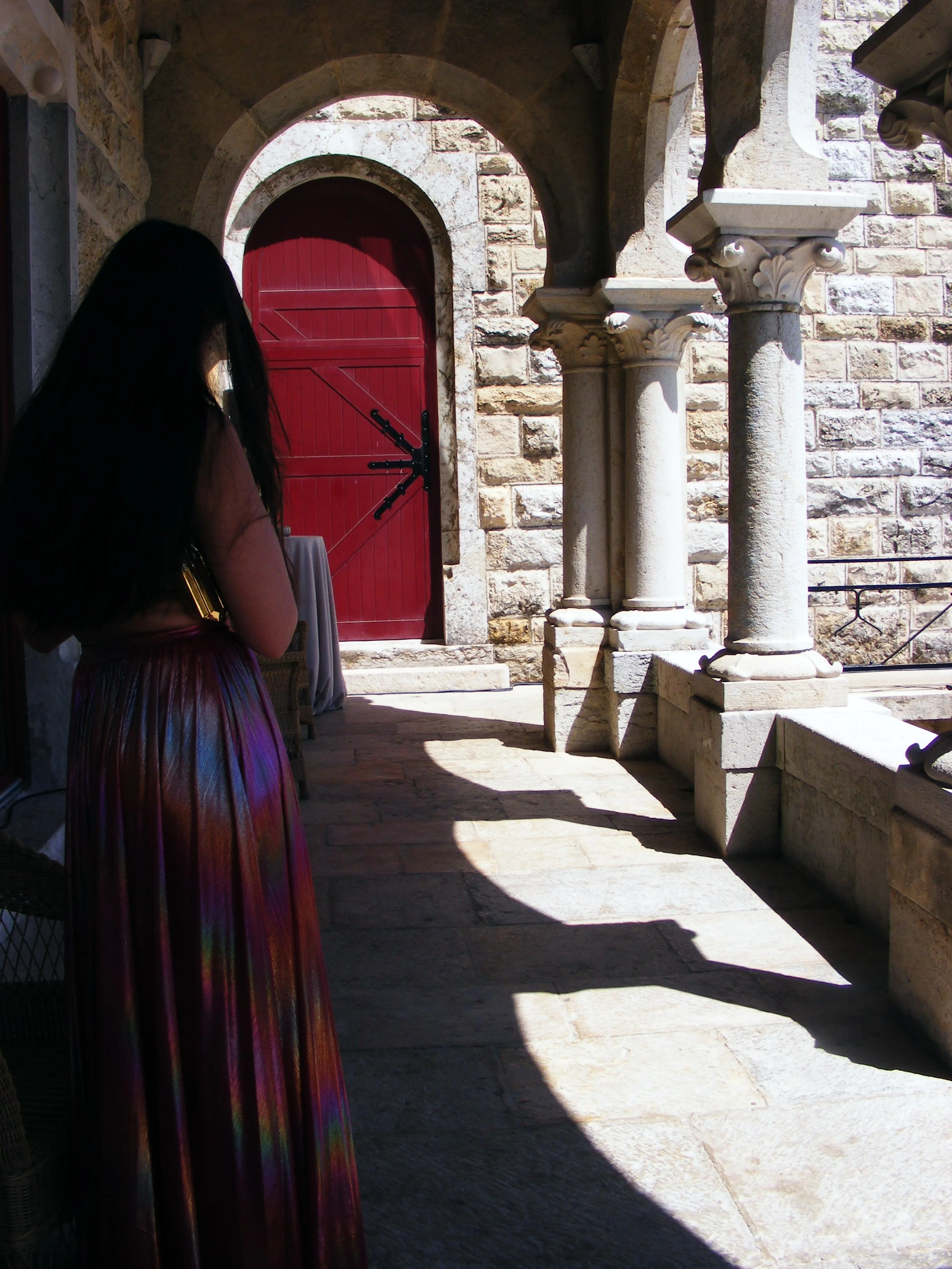
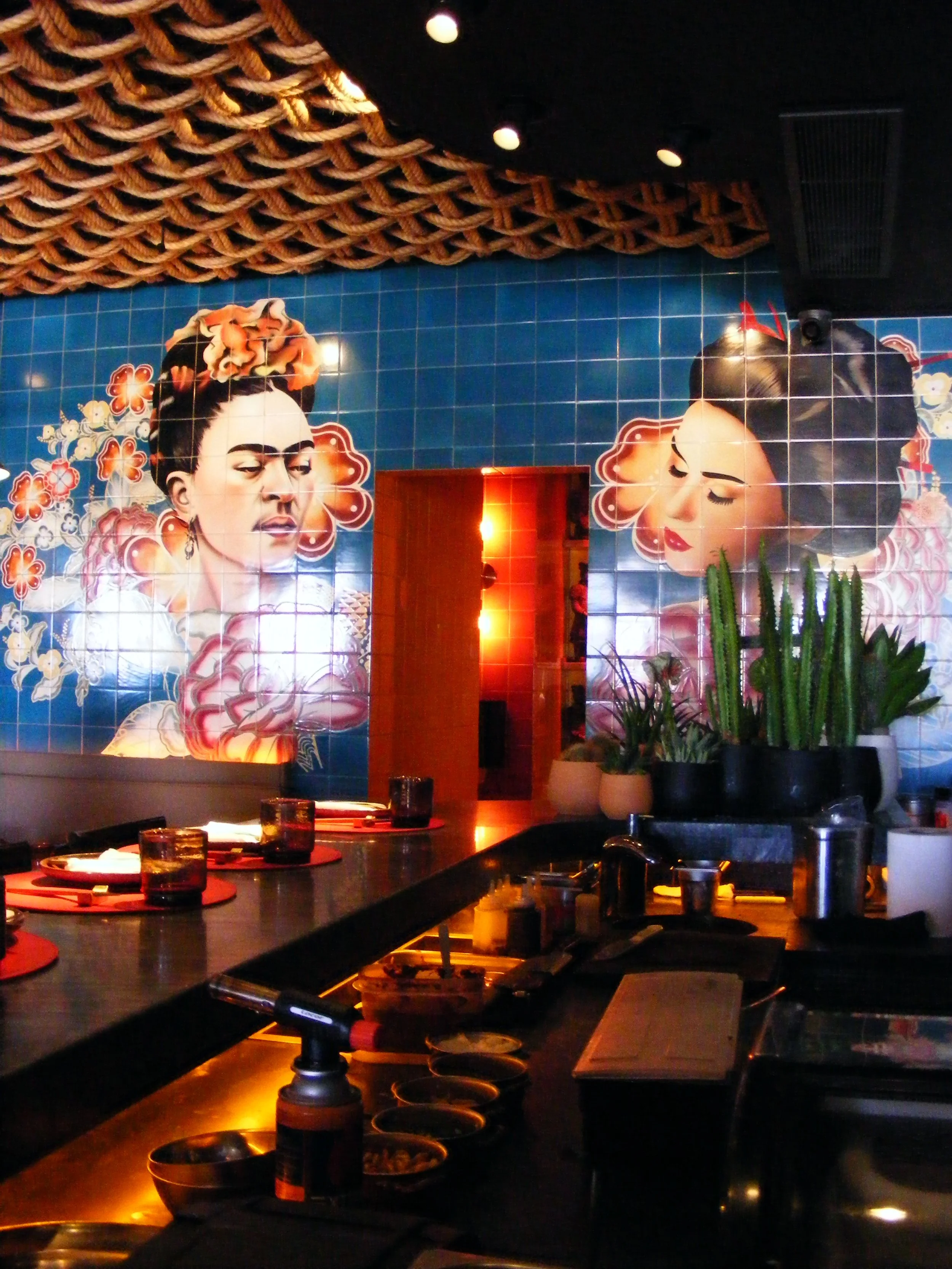
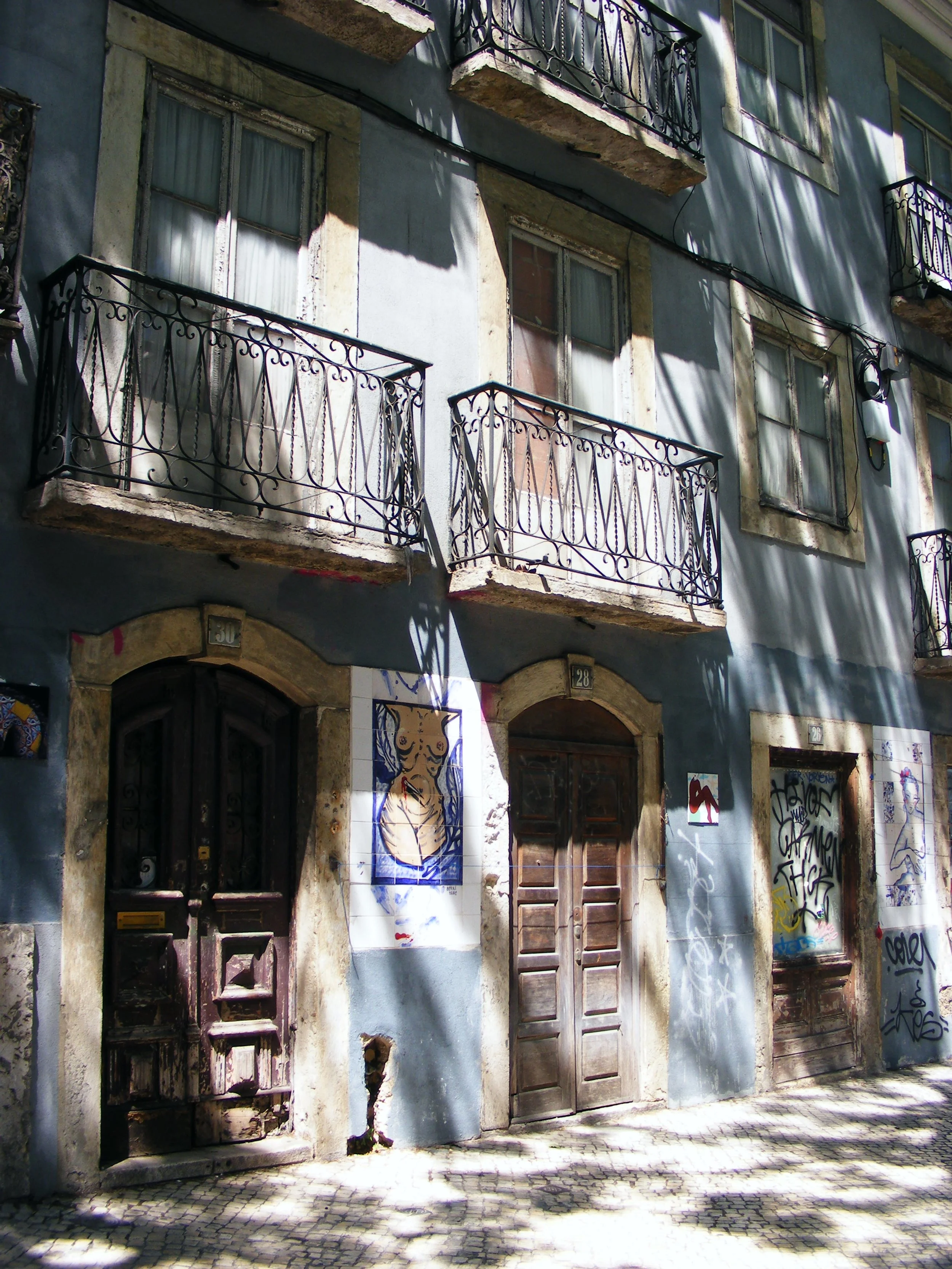
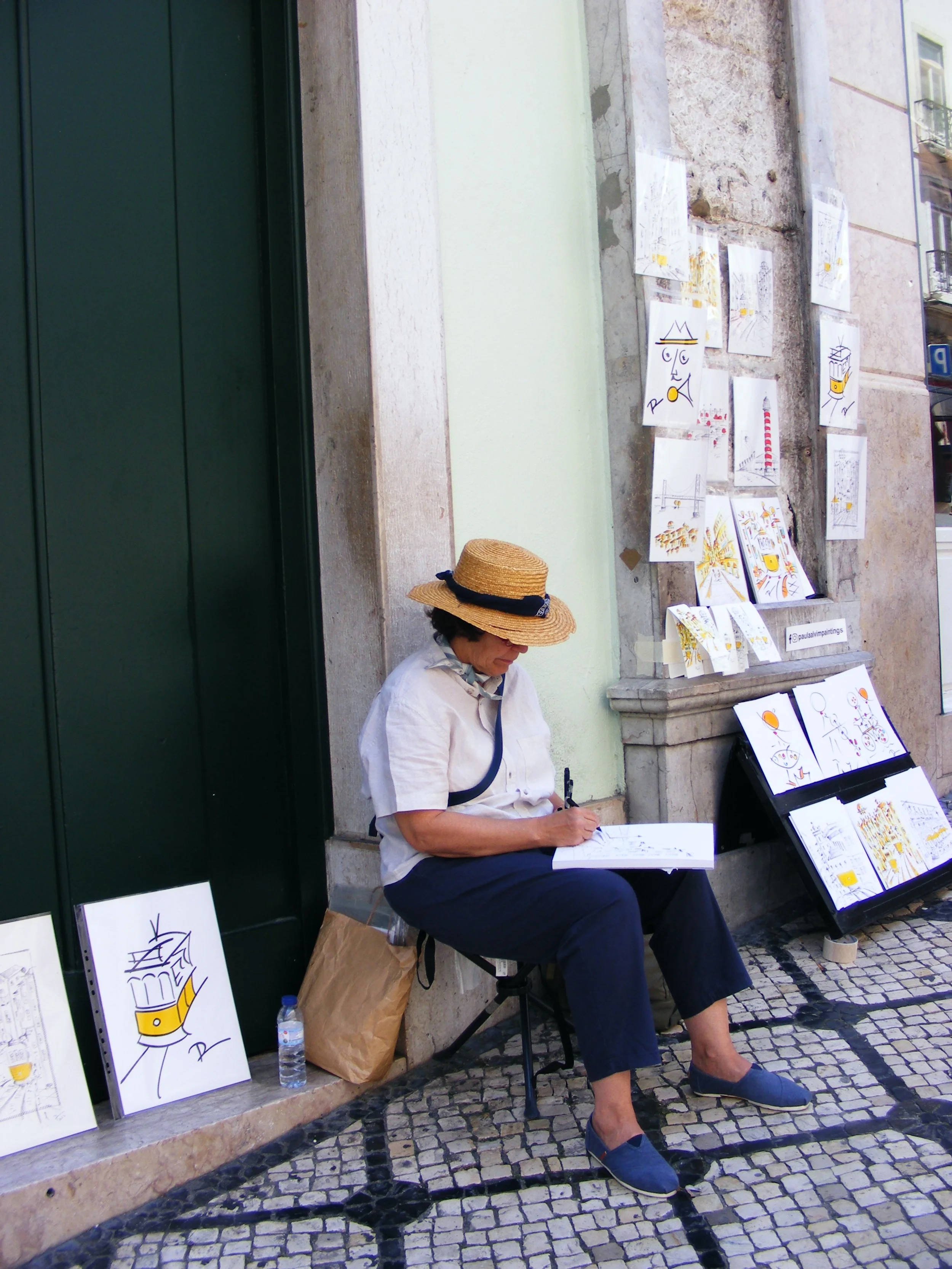
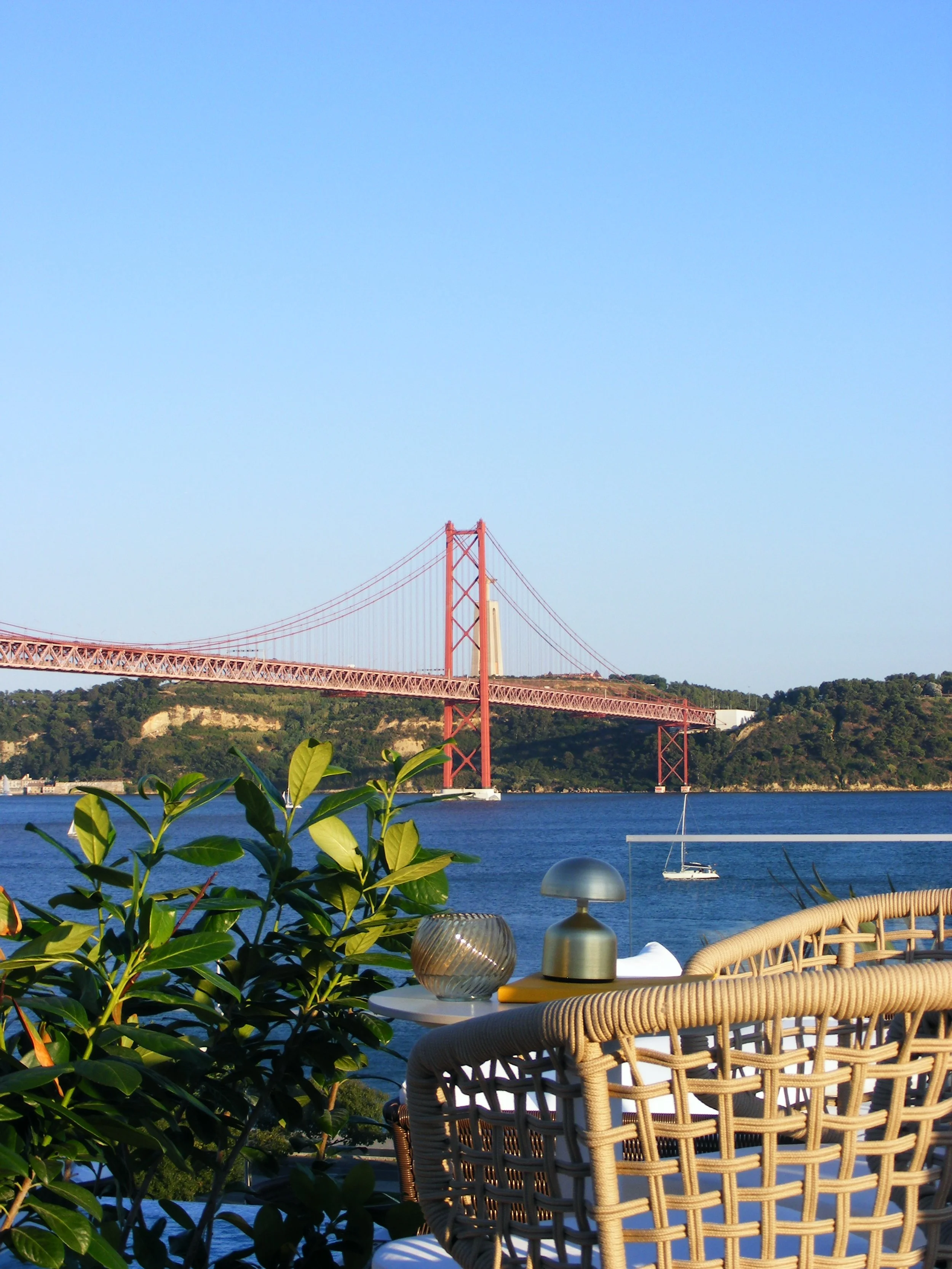
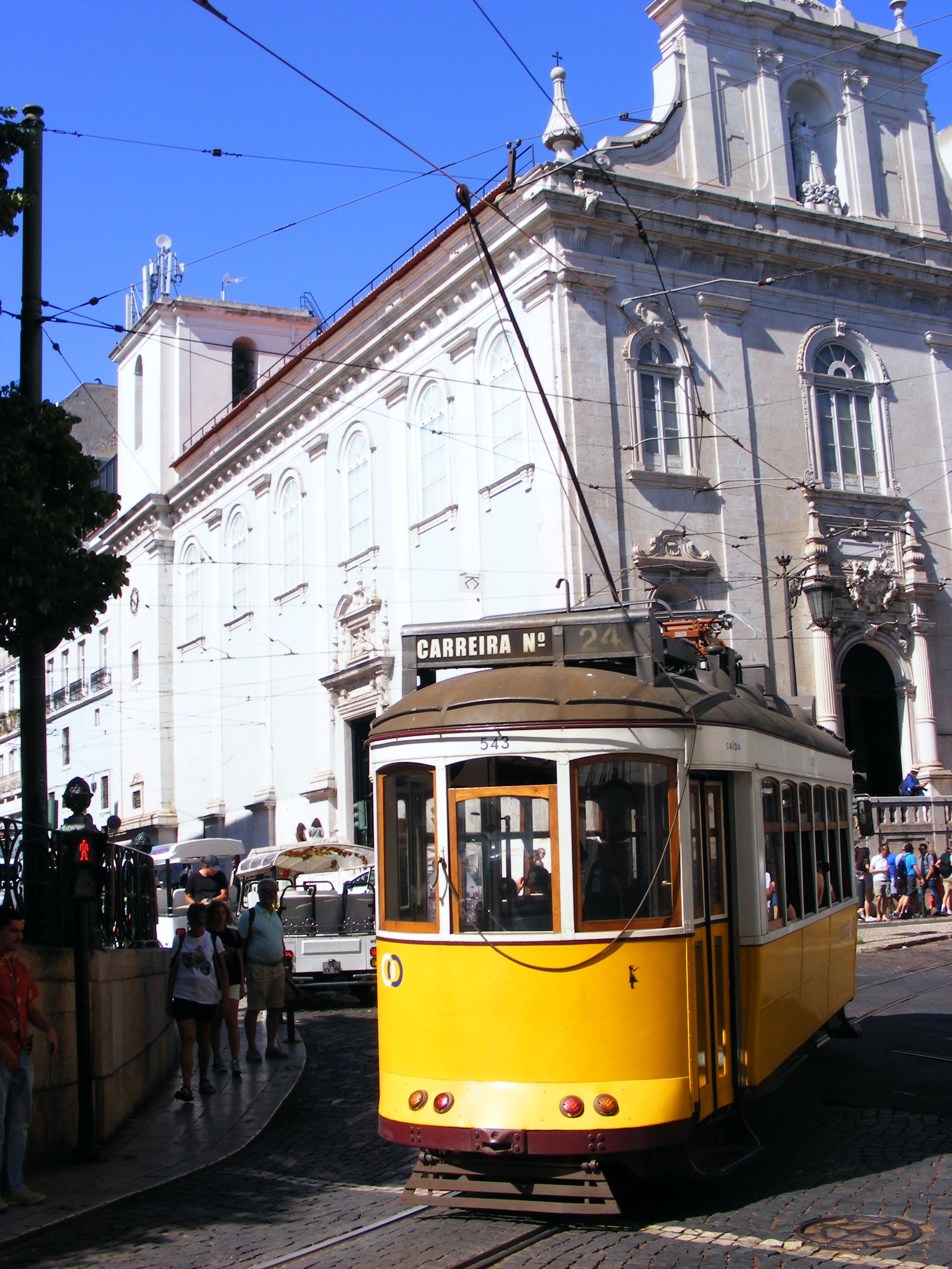
Lisbon had everything you need. An international palate has shaped the food scene away from tinned fish, a known delicacy of the Portuguese, towards Michelin star rated restaurants. Ex-pats of various nations live and work in Lisbon and continue to shift tradition, often at the dismay of the locals. Assimilation was a word we learned in grade school when discussing social studies. I feel that as the world becomes smaller, homogeneity will continue to dilute long held social conventions as people transplant their culture around the world.